
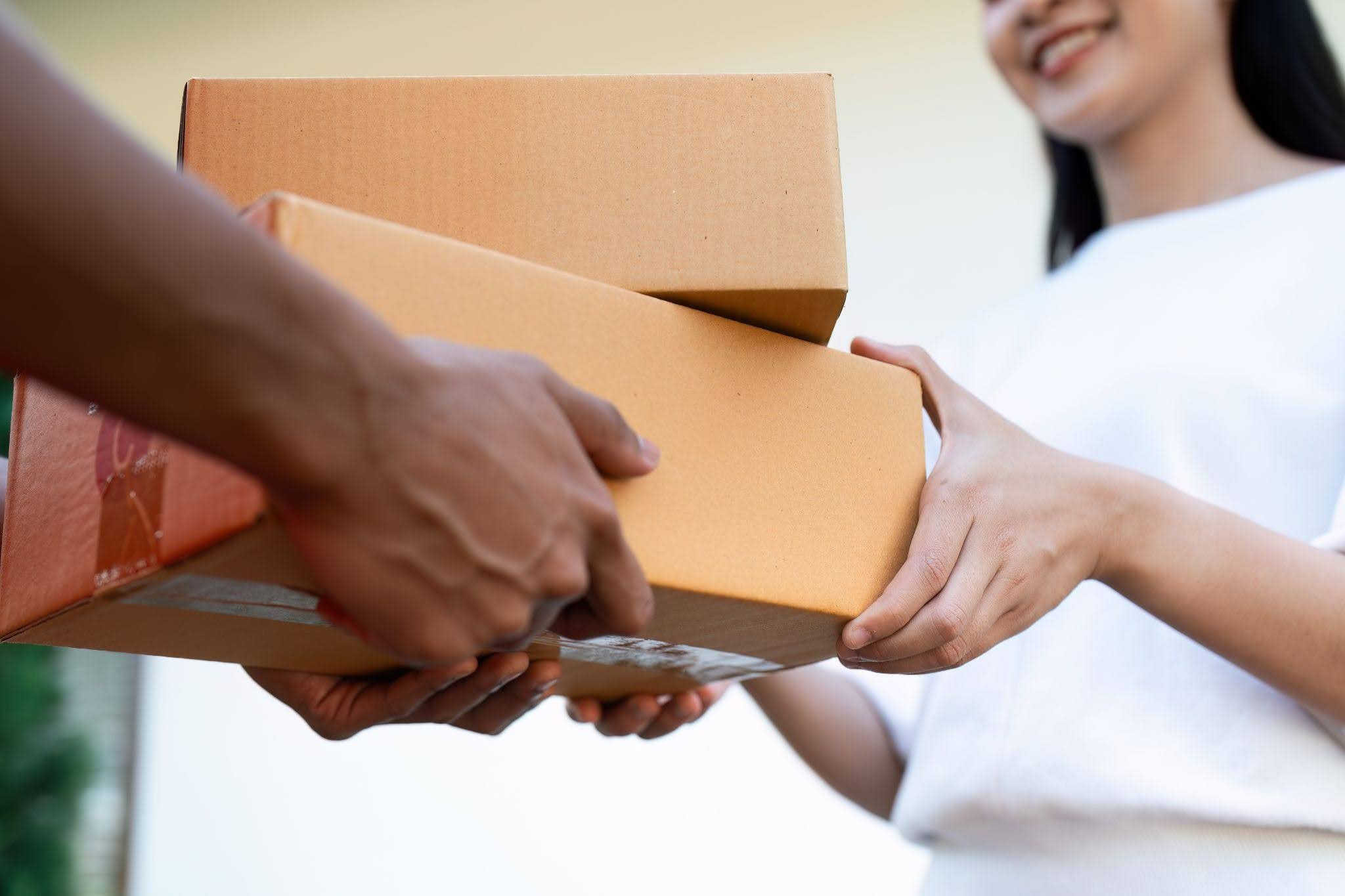
A single missed delivery can undo weeks of good marketing. Customers do not see your warehouse or systems. They only see whether their order arrives on time, intact, and exactly as promised.
That moment is where trust is built or lost. This is where order fulfilment does the heavy lifting behind your business.
The Meaning of Order Fulfilment and Why It Matters to Your Business
Order fulfilment refers to the complete process of receiving, processing, picking, packing, and delivering customer orders. It begins the moment a customer clicks “buy” and ends when the order reaches their hands.
If you run an e-commerce store or manage product distribution, order fulfilment directly shapes your customer experience. It affects:
- Delivery Speed
Faster fulfilment leads to quicker delivery times, which customers now expect.
- Order Accuracy
Correct items, quantities, and packaging reduce returns and complaints.
- Customer Satisfaction
A smooth fulfilment process builds trust and repeat purchases.
- Operational Efficiency
Well-managed fulfilment lowers costs and reduces manual errors.
In short, order fulfilment is not only a backend task, but also a key driver of business growth and customer retention.
Discover more — Impact of E-commerce on Logistic Sector
The Different Types of Order Fulfilment You Can Choose From
There is no single approach that fits every business. The right fulfilment model depends on your order volume, storage needs, and growth plans.
1. In-House Fulfilment Gives You Full Control
You manage everything yourself, from storage to shipping.
This works well if:
- You have low to moderate order volumes
- You want direct control over inventory and packaging
- Your product range is simple
However, as your business grows, this model can become time-consuming and resource-heavy.
2. Third-Party Fulfilment Helps You Scale Faster
A third-party logistics provider (3PL), such as us at Sim Solutions, handles your warehousing, picking, packing, and shipping.
This is suitable if:
- Your order volume is growing quickly
- You want to focus on sales and marketing
- You need access to professional logistics infrastructure
It reduces operational strain and allows you to scale without heavy upfront investment.
3. Dropshipping Removes the Need for Inventory
With dropshipping, you do not store products. Instead, suppliers ship orders directly to your customers.
This works if:
- You want to start with minimal capital
- You test new products frequently
However, you have less control over delivery speed and product quality.
4. Hybrid Fulfilment Gives You Flexibility
Some businesses combine models. For example, you may handle fast-moving items in-house while outsourcing bulk or international orders.
This approach allows you to balance cost, control, and scalability.

The Order Fulfilment Process Step by Step
Understanding the order fulfilment process helps you identify where delays or errors may occur. A typical order fulfilment workflow includes the following stages:
1. Inventory Arrives and Gets Organised
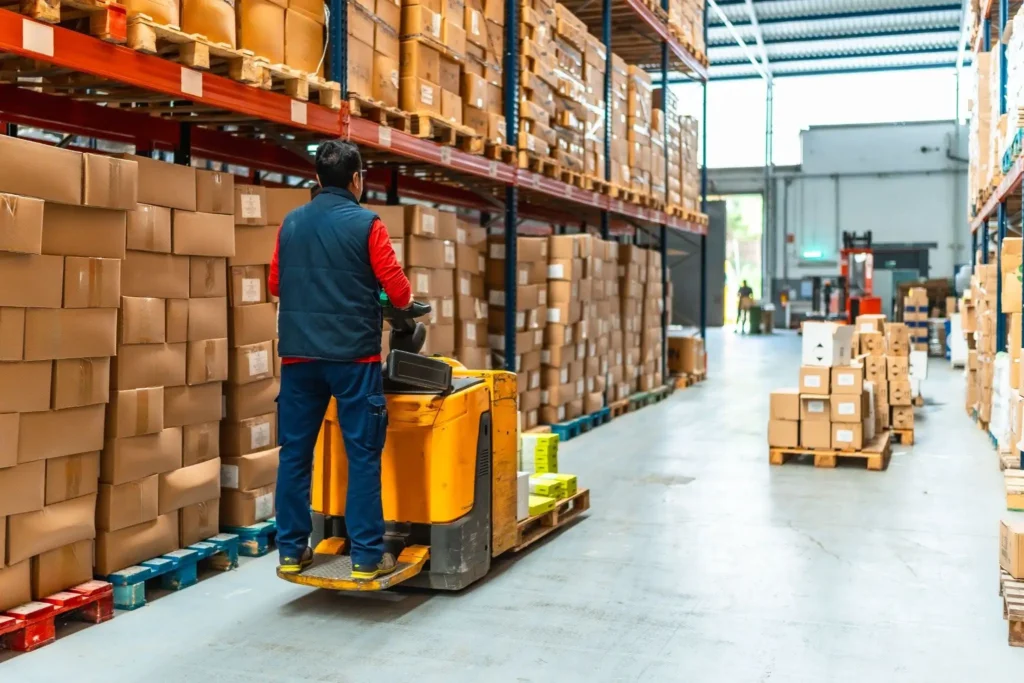
Before orders can be fulfilled, products must be received, checked, and stored properly. A well-organised inventory setup depends on efficient warehouse operations to ensure items can be located quickly and accurately when orders come in.
This stage includes:
- Verifying Stock Quantities
Ensuring received items match purchase orders helps avoid discrepancies later.
- Inspecting for Damage
Damaged goods are identified early to prevent them from being shipped to customers.
- Assigning Storage Locations
Items are placed in designated locations based on size, demand, or category for easier retrieval.
Accurate inventory management reduces stockouts, prevents overselling, and keeps fulfilment running smoothly.
Read more — How to Choose the Right Warehousing Services in Singapore for Your Business
2. Orders are Received and Processed
Once a customer places an order, the system captures the details and sends them to the warehouse for fulfilment. A smooth process at this stage keeps everything moving without delays.
Key actions include:
- Order Verification
Ensuring order details such as items, quantities, and delivery information are correct.
- Payment Confirmation
Orders are only released for fulfilment once payment is successfully processed.
- Generating Picking Lists
Clear instructions are created to guide warehouse staff on what needs to be picked.
Speed is crucial at this stage, as delays can slow down the entire fulfilment process and impact delivery timelines.
3. Picking Ensures the Right Items are Selected
Warehouse staff retrieve the ordered items from storage based on the provided picking list.
There are different picking methods:
- Piece Picking for Small Orders
Items are picked one order at a time. This suits lower order volumes and straightforward fulfilment needs.
- Batch Picking for Multiple Similar Orders
Items for several orders are picked in one trip. This reduces travel time and improves efficiency when orders contain similar products.
- Zone Picking for Large Warehouses
The warehouse is divided into zones, and staff pick within their assigned areas. Orders move across zones until all items are collected, helping larger operations run more smoothly.
Accuracy is needed at this stage to reduce costly returns and help ensure customers receive exactly what they ordered.
4. Packing Protects the Product and Your Brand
Items are packed securely to prepare them for delivery. This step prevents damage to the items and directly shapes how customers experience your brand when the order arrives.
This step involves:
- Choosing the Right Packaging Materials
Materials should match the product’s size, weight, and fragility to prevent movement and damage.
- Adding Protective Fillers
Cushioning such as air pillows or paper helps absorb impact during transit.
- Including Invoices or Inserts
Documents and branded inserts keep orders organised and reinforce your brand identity.
Good packing reduces the risk of damage, avoids unnecessary returns, and creates a more positive unboxing experience for your customers.
5. Shipping Moves the Order to Your Customer
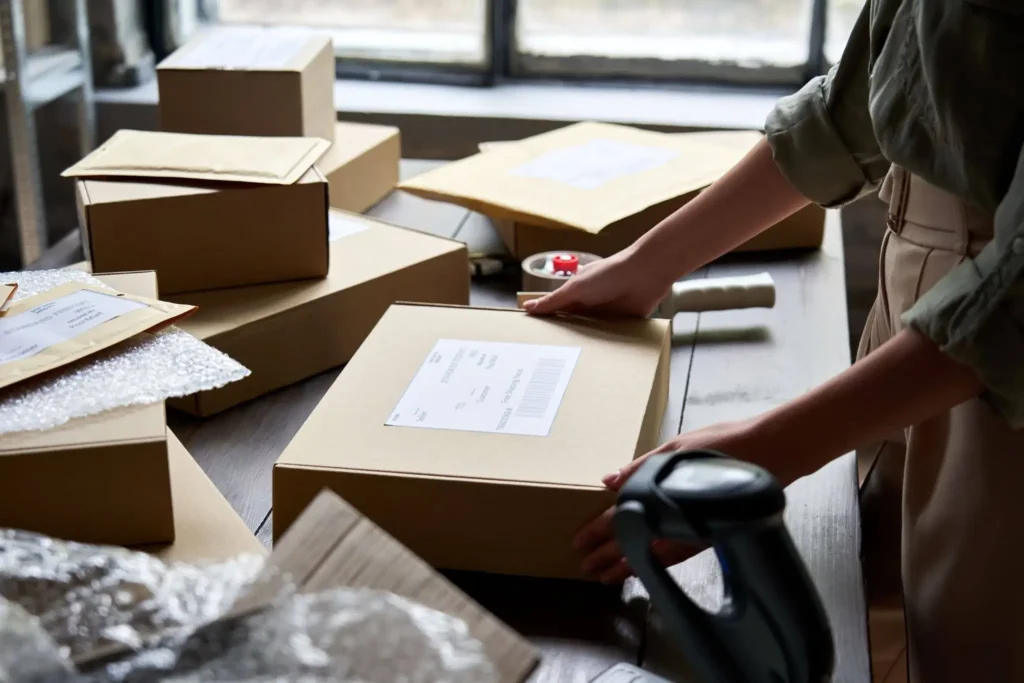
Once packed, orders are handed over to delivery partners for final dispatch. This is where last mile fulfilment plays a key role in ensuring timely delivery to customers.
This includes:
- Label Generation
Shipping labels are created with accurate delivery details to ensure orders reach the correct destination.
- Courier Selection
The right delivery partner is chosen based on factors such as cost, speed, and service coverage.
- Dispatch Scheduling
Orders are organised for timely collection and delivery to meet promised timelines.
Efficient shipping reduces delays, keeps customers informed, and ensures orders arrive as expected.
Read more — Why Real-Time Tracking Is a Must-Have in Logistics Services
6. Returns Management Closes the Loop
Returns are a natural part of order fulfilment. A clear and structured process helps maintain trust and keeps operations organised.
This stage involves:
- Receiving Returned Items
Returned goods are logged and matched with the original order for proper tracking.
- Inspecting Their Condition
Items are checked to determine if they can be restocked, repaired, or discarded.
- Restocking or disposing of them
Sellable items are returned to inventory, while unsuitable ones are handled accordingly.
A smooth returns process reduces losses, improves inventory accuracy, and helps turn a potentially negative experience into a positive one for your customers.
Common Challenges In Order Fulfilment and How to Stay Ahead
Even well-run operations face challenges. Being aware of them helps you prepare.
- Inventory Inaccuracies
Mismatched stock levels can lead to overselling or delays.
- Delayed Deliveries
Poor coordination with couriers affects customer satisfaction.
- High Operational Costs
Inefficient processes increase labour and storage costs.
- Scaling Difficulties
Growth can strain your existing fulfilment setup.
Working with an experienced logistics partner helps reduce these risks and keeps your business operations running smoothly.
Read more — Benefits of Outsourcing Logistics Services for Growing Businesses

Making Order Fulfilment Work for Your Business
Order fulfilment connects every part of your operations, from inventory and processing to shipping and returns. When each stage runs smoothly, your business becomes more efficient and your customers receive their orders exactly as expected.
Getting this right means fewer errors, faster deliveries, and a stronger customer experience. It also gives your business the foundation it needs to scale without unnecessary pressure.
If you are looking to improve your order fulfilment process or need reliable local logistics support in Singapore, we are here to help. Reach out to us to explore how we can support your operations and keep your orders moving without disruption.