
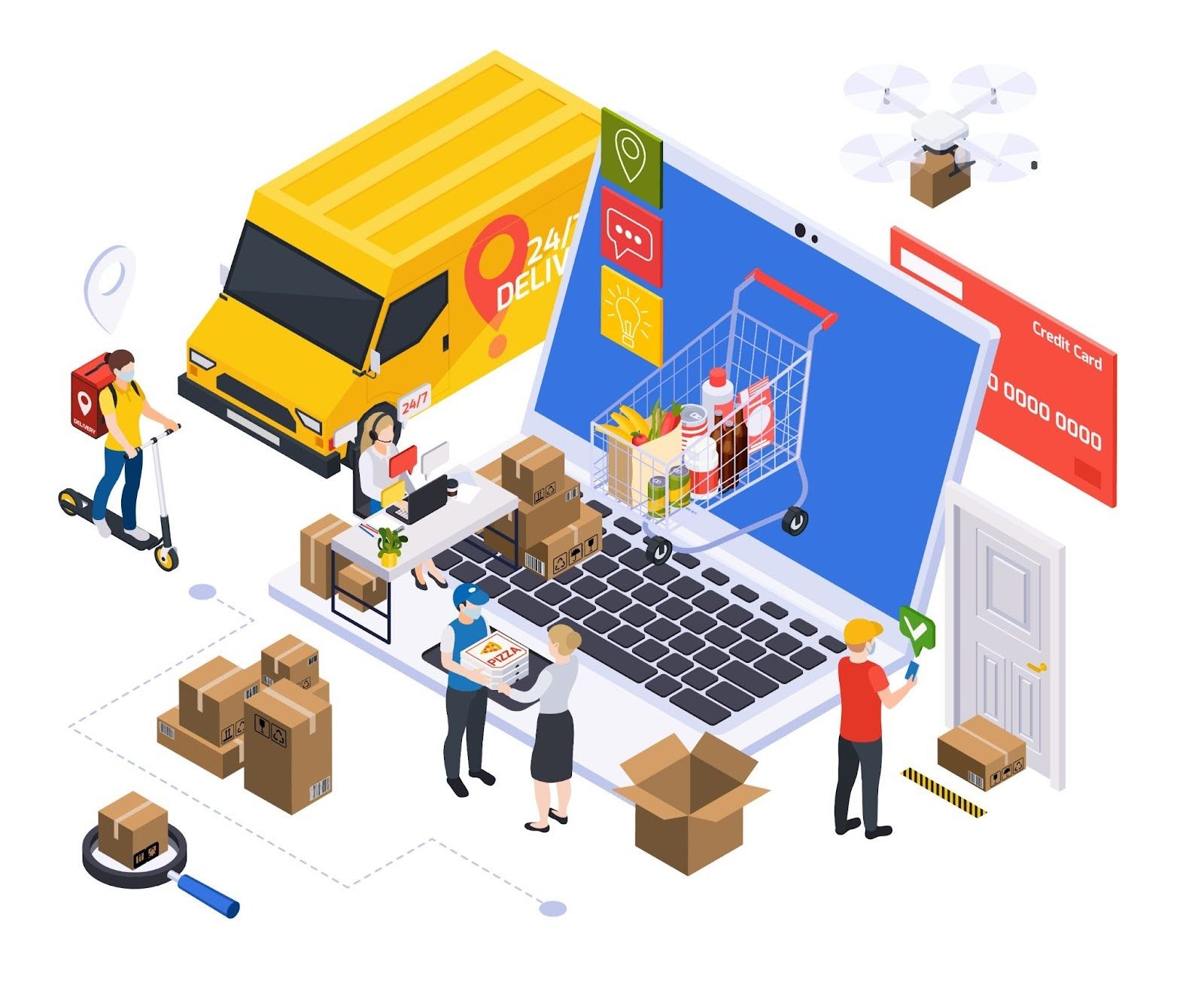
The retail landscape in Singapore has undergone a massive shift. What was once a nation of shoppers frequenting Orchard Road malls has transformed into a digital-first economy where “Add to Cart” is the new national pastime.
Behind every click is a complex, high-speed machine: the e-commerce logistic network. As digital storefronts become the primary point of contact for consumers, the logistics sector has been forced to evolve from a traditional back-end support function into a high-tech, strategic powerhouse.
The Surge in Volume: Beyond Traditional Shipping
The most immediate impact of the e-commerce boom is the sheer volume of goods moving through the island. Singapore’s e-commerce market is projected to continue its double-digit growth, fueled by major players like Shopee, Lazada, and Amazon. This growth has fundamentally changed the nature of Supply Chain Management.
Key shifts in volume dynamics include:
- Parcel Fragmentation: Moving away from bulk B2B shipments to millions of individual B2C shipments.
- Peak Period Volatility: Managing massive surges during 11.11 sales, 12.12 shopping festivals, and Chinese New Year.
- Consumer Demands: The “Amazon Effect” where Singaporeans now expect next-day delivery or even same-day delivery as a standard service.
Warehouse Transformation: From Storage to Fulfillment
The traditional storage warehouse is becoming a relic of the past. In its place, we are seeing the rise of high-tech fulfillment centers. These facilities are no longer just for keeping stock; they are designed for high-velocity throughput.
To keep up with the pace of e commerce logistic demands, Singaporean warehouses are adopting sophisticated automation technologies:
- Autonomous Mobile Robots (AMRs): Used for “goods-to-person” picking, significantly reducing human travel time.
- Vertical Integration: Utilising Singapore’s limited land space through high-density automated storage and retrieval systems (ASRS).
- Smart Inventory Management: Using Big Data analytics to predict stockouts and manage safety stock levels during peak seasons.
- Cold Chain Capabilities: Increasing demand for fresh grocery delivery has led to specialised temperature-controlled logistics hubs.
(source : Freepik.com)
Solving the Last-Mile Delivery Puzzle
The last-mile delivery stage is often the most expensive and complex part of the supply chain. In Singapore’s dense urban environment, navigating ERP zones and finding parking in crowded HDB loading bays presents unique challenges.
To combat this, the logistics sector has seen a surge in localised innovation:
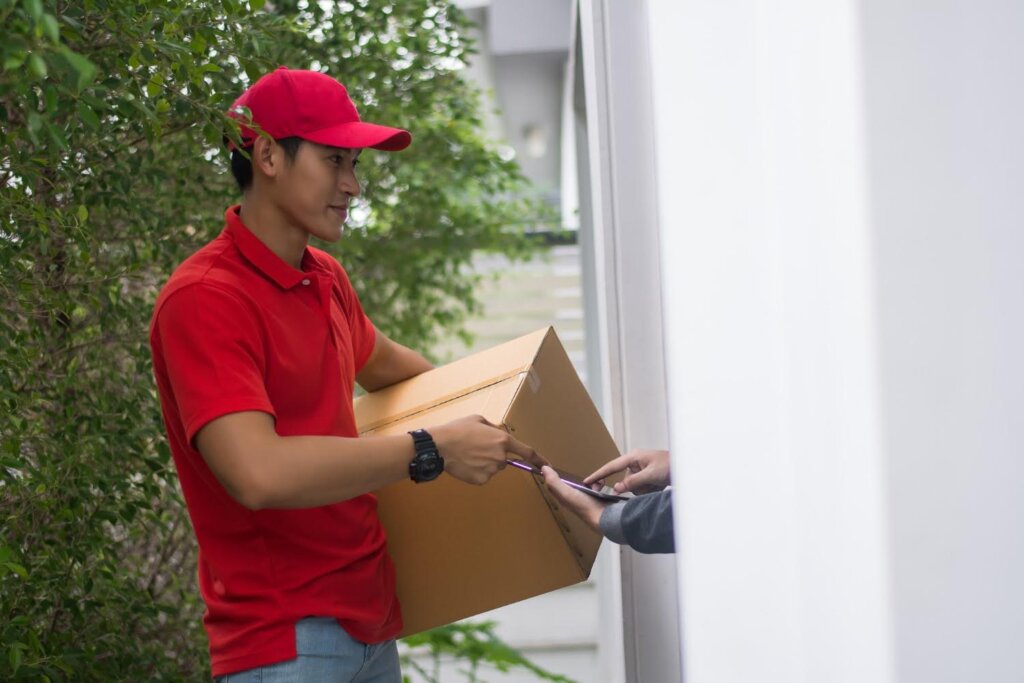
- Collection Points: The rollout of the Pick network – a nationwide system of parcel lockers which allows consumers to collect items at their convenience, reducing the “failed delivery” rate for 3PL providers.
- Crowdsourced Delivery: Platforms are increasingly using “gig economy” drivers to provide on-demand delivery services, adding a layer of flexibility.
- Reverse Logistics: Streamlining the returns management process, allowing customers to drop off unwanted items at nearby convenience stores or lockers.
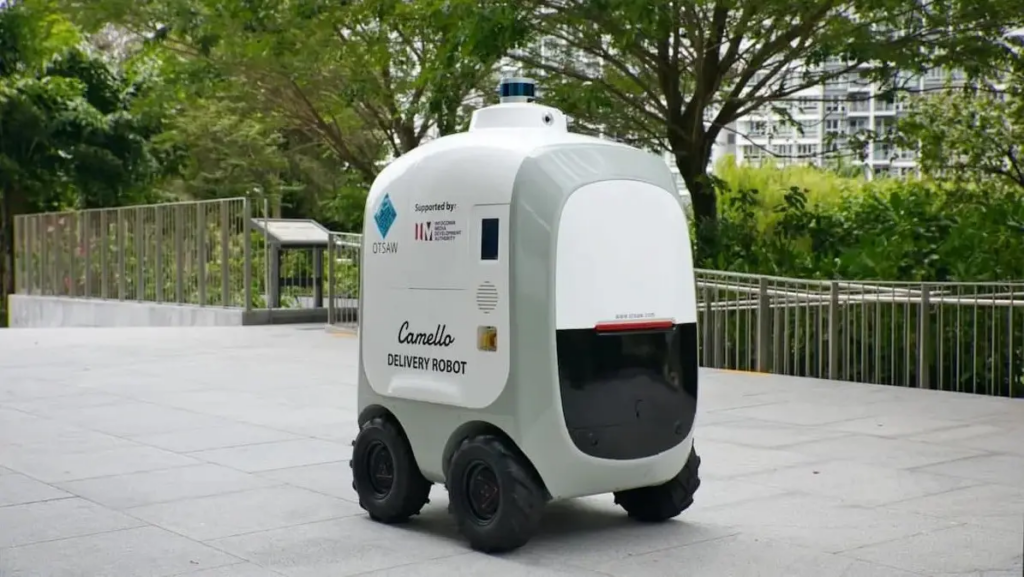
- Autonomous Trials: Areas like Punggol and one-north have served as testbeds for autonomous delivery robots, hinting at a future with less reliance on human couriers.
Singapore as a Global E-commerce Gateway
Beyond our borders, Singapore’s strategic location has allowed it to become a premier regional distribution hub for Southeast Asia. With Changi Airport consistently ranked as one of the world’s best air cargo hubs and the development of the Tuas Mega Port, Singapore is the perfect “re-export” point.
Logistics firms are leveraging cross-border e-commerce strategies to help international brands reach the growing middle class in neighboring countries. By utilising the Networked Trade Platform (NTP), businesses can digitise their trade documents, making the e-commerce logistic flow across borders seamless and transparent.
The Sustainability Mandate

(Source: Freepik.com)
As the sector grows, so does its carbon footprint. However, the logistics industry is aligning itself with the Singapore Green Plan 2030. Sustainability is no longer an “extra” but a core requirement for modern e-commerce logistic operations.
Current green initiatives include:
- Electric Vehicle (EV) Adoption: Rapid transition of delivery fleets to electric vans by major players like SingPost and DHL.
- Sustainable Packaging: Moving away from single-use plastics and optimising box sizes to reduce “shipped air.”
- Route Optimisation AI: Using machine learning to plan the most fuel-efficient delivery paths, reducing idle time in traffic.
Government Support and the Future Workforce
The Singapore government has been instrumental in this transformation. Through the Productivity Solutions Grant (PSG) and the Logistics Industry Transformation Map (ITM), SMEs are encouraged to adopt digital logistics solutions.
There is also a strong focus on “Human Capital.” As the sector becomes more tech-heavy, the workforce is upskilling. Through SkillsFuture initiatives, traditional warehouse workers are being retrained as data analysts and automation specialists, ensuring that Singapore’s logistics talent remains world-class.
Navigating the E-commerce Logistic Evolution

The impact of e-commerce on Singapore’s logistics sector has been nothing short of revolutionary. By embracing digital transformation, investing in smart warehousing, and prioritising sustainability, Singapore is not just keeping pace with the global e-commerce trend. It is setting the standard.
For any business involved in the e-commerce logistic space, the message is clear: innovation is the only way to stay ahead in Singapore’s competitive landscape.
Whether you are looking to optimize your e-commerce logistic workflow or integrate smarter fulfillment solutions, Sim Solutions is here to help you navigate this shifting landscape.
To discover how you can digitally transform your logistics operations and stay ahead of the curve, contact Sim Solutions for a professional consultation today at +65 6280 3309.