
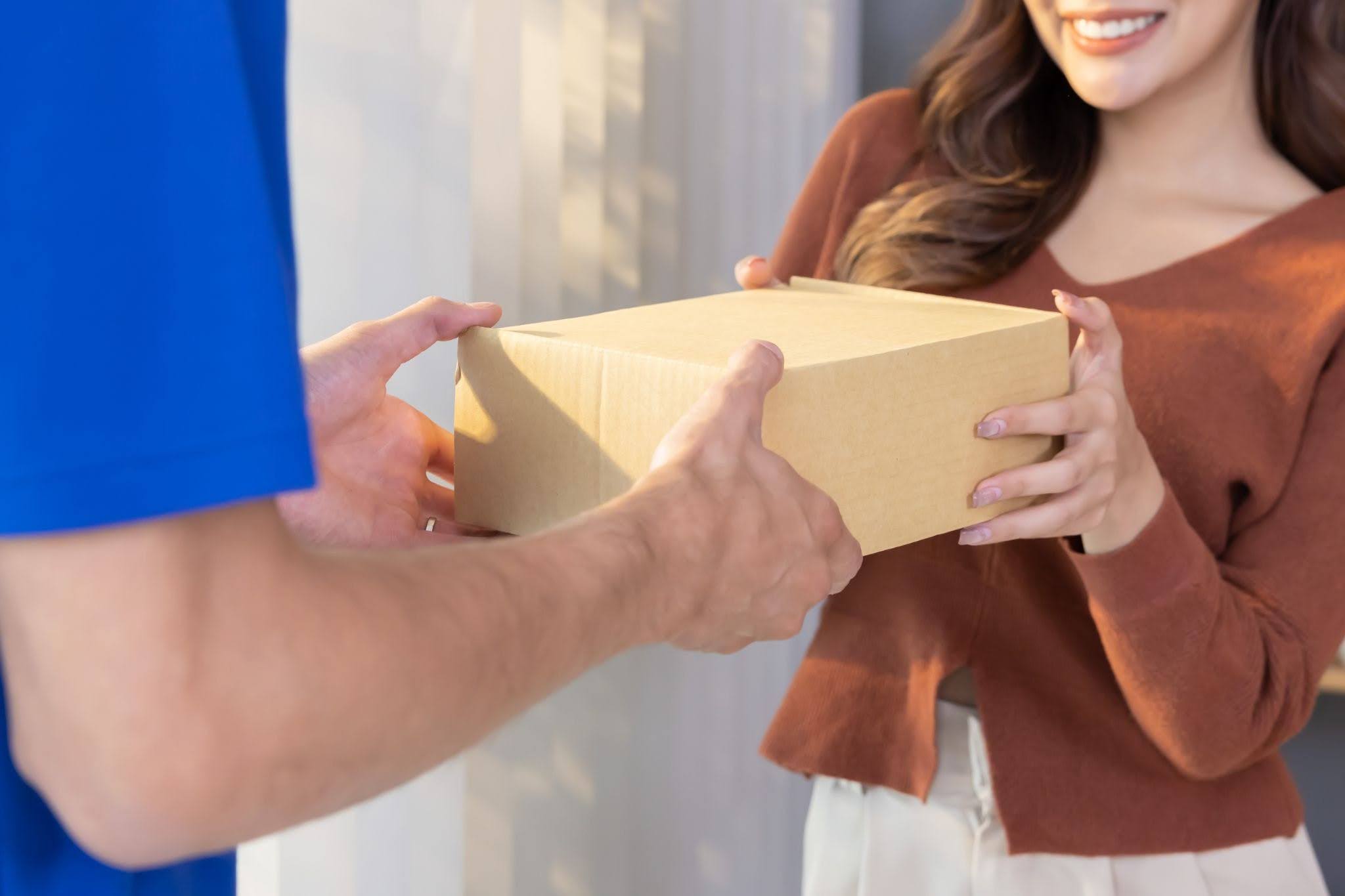
Parcel delivery moves through several stages, including order fulfilment, sorting, transportation, and last-mile delivery, as each step ensures the parcel reaches the correct destination through a coordinated system.
Knowing how parcel delivery works gives you a clearer picture of what happens after an order is placed. It can help you interpret tracking updates, set realistic delivery expectations, and understand the factors that may affect when a parcel arrives.
Need a logistics partner for your parcel delivery? Reach out to Sim Solutions Singapore via phone or our online contact form for any enquiries!
How a Parcel Moves Through the Delivery Process
A parcel delivery begins the moment an order is placed, and it passes through a connected system of steps that prepare, sort, transport, and deliver it.
Order processing & fulfilment
Parcel delivery begins at the seller or warehouse, where the order is received and prepared for dispatch. The item is picked from stock, packed, and labelled, while inventory systems update stock levels and help minimise picking errors before the parcel enters the delivery network.
Sorting & hub operations
Once dispatched, the parcel is sent to a sorting centre. Here, automated systems scan barcodes and sort parcels according to their destination. The tracking ID links the parcel to its order information, helping logistics teams keep shipments moving accurately through the network.
Transportation network
After sorting, the parcel travels between a series of hubs, which may include regional, national, and local facilities depending on its destination. The mode of transport varies by route and distance.
Vans are typically used for local movements, trucks carry parcels between hubs, and air freight is often reserved for urgent or international shipments. Throughout this stage, route planning systems help determine the most efficient path through the network.
Last-mile delivery
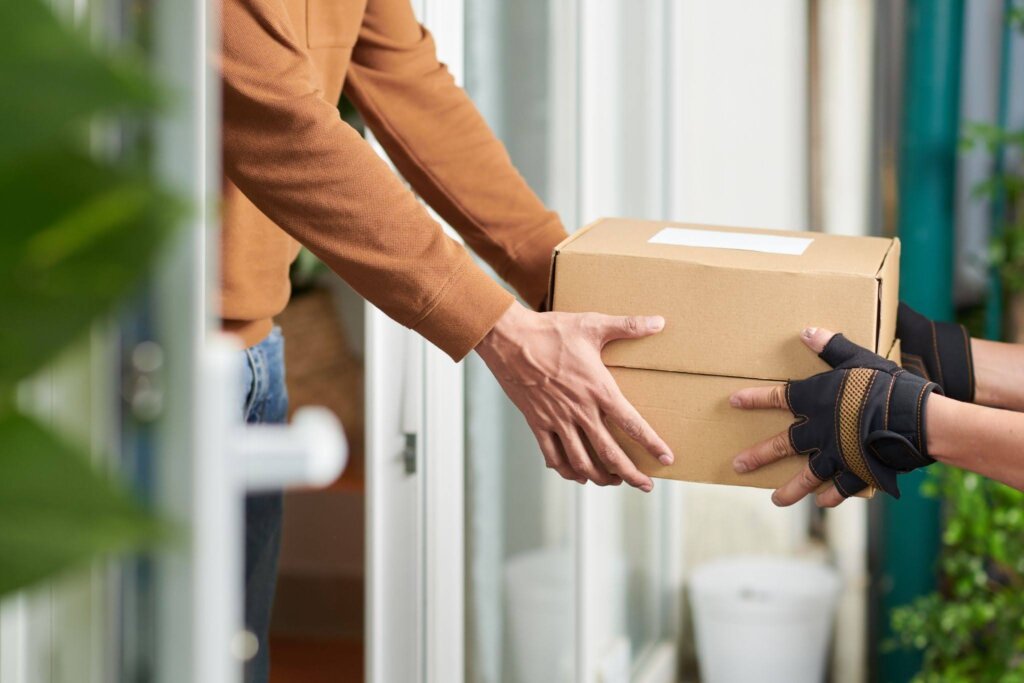
From the local hub, the parcel enters the final stage of its journey: last-mile delivery. Couriers deliver multiple parcels along a planned route before reaching the recipient’s address.
Because this stage takes place in real-world conditions, factors such as traffic, weather, and building access can affect delivery times. As a result, many delays occur during this final leg of the journey.
Tracking systems
As the parcel moves through each stage, it is scanned at key checkpoints. These scans update the tracking information available to customers and logistics providers.
Common updates include:
- “In transit”
- “Out for delivery”
- “Delivered”
Because tracking relies on scan events rather than continuous location monitoring, updates may not appear immediately. This means a parcel can still be moving even when its tracking status remains unchanged.
(Source: Envato)
Common Issues in Parcel Delivery
Delays and errors can happen at any stage of parcel delivery, from the warehouse to the final doorstep. In most cases, they fall into a few common areas:
- Bottlenecks at sorting centres, where high parcel volumes slow down processing
- Misrouted parcels caused by scanning or labelling errors
- Failed delivery attempts when no one is available to receive the parcel
- Incorrect or incomplete addresses that prevent successful delivery
Most of these issues come down to data gaps or the volume of parcels moving through the system at the same time. Even small errors can affect how smoothly a parcel moves through the network.
Tips for Customers to Ensure Smooth Deliveries
While logistics providers manage most of the delivery process, customers can also play a role in ensuring parcels arrive without unnecessary delays.
Providing accurate information at the time of ordering helps parcels move smoothly through sorting, transportation, and final delivery. It also reduces the likelihood of failed delivery attempts or delivery exceptions.
- Enter a full and accurate address, including postcodes and unit numbers where applicable
- Add clear delivery instructions if the property is difficult to access or locate
- Track your parcel regularly to stay informed about its progress and any delivery updates
- Choose suitable delivery options based on your availability and delivery needs
- Ensure contact details are up to date so couriers can reach you if necessary
Taking these simple steps can help reduce delays, improve delivery accuracy, and increase the chances of a successful first-time delivery.
Conclusion
Parcel delivery is not a single action but a connected process that moves through order processing, sorting, transportation, and last-mile delivery before reaching its destination. Because each stage is linked to the next, delays in one part of the journey can affect the overall delivery timeline.
From warehouse to doorstep, every parcel goes through a logistics network designed to move goods efficiently between sellers and customers.
Need a logistics partner for your parcel delivery? Reach out to Sim Solutions Singapore via phone or our online contact form for any enquiries!