Logistics is about getting goods to the right place at the right time. It is a straightforward system made complex by a web of variables. One of these variables is reverse logistics, a process where goods are moved backward through the supply chain.
This process can be notoriously complex due to the unpredictability of return flow. So how do logistic companies manage this? Here’s everything you need to know:
Read More: Guide to End-to-End Logistics
What Is Reverse Logistics?
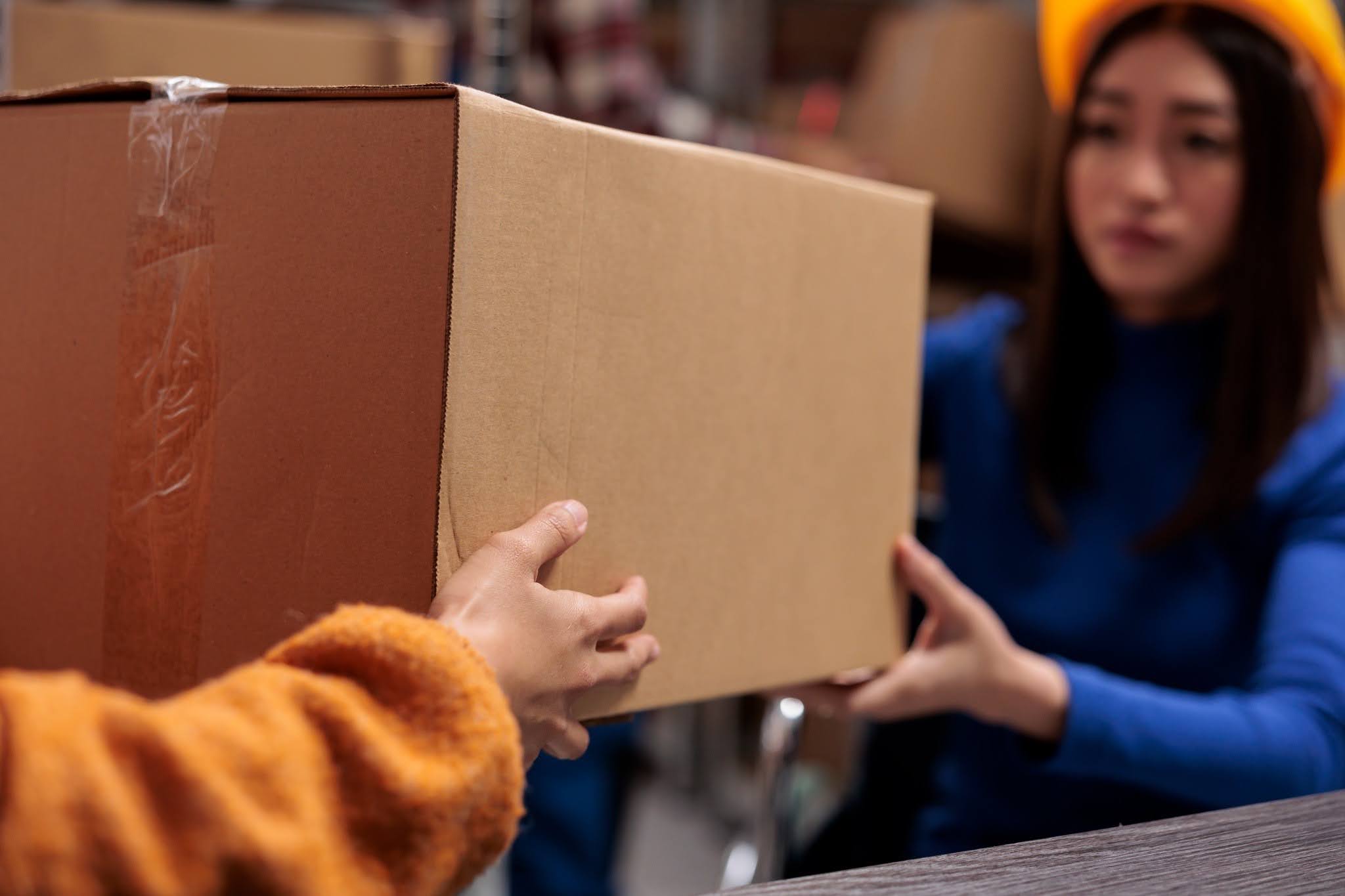
Reverse logistics is the process of moving goods from the customer back through the supply chain instead of towards the end user.
Unlike regular logistics, reverse logistics deals with product returns, repairs, recycling, refurbishment, and proper disposal after a product has been sold. For example, a customer returns an item due to damage.
The product will then be transported back to the warehouse or distribution centre for inspection. Depending on its condition, it may be repaired, refurbished, recycled, restocked, or disposed of. This creates a reverse supply chain where businesses can recover value from returned products.
Why Is Reverse Logistics Important?
A well managed reverse logistics can benefit both the company and customers. Instead of treating the return as a loss, companies can recover products and optimise them through the product lifecycle. Some of the key benefits include:
- Reduces costs through better inventory management and asset recovery.
- Improves customer satisfaction with faster returns and warranty processing.
- Supports sustainability by encouraging recycling, packaging recovery, and responsible waste management.
- Minimises the environmental impact by reducing landfill waste and lowering a company’s carbon footprint.
- Increases revenue by refurbishing or remanufacturing products for resale.
- Enhances supply chain visibility, allowing businesses to make better operational decisions.
As more organisations embrace the circular economy, reverse logistics is becoming an essential part of modern logistics management.
Five Stages of Reverse Logistics
1. Process the Return
This process starts when a consumer wants to return a product. The company must then process the request and provide instructions for the customer. This includes arranging a pickup, issuing a return label, or directing the customer to a designated drop-off point.
This step ensures that the returned item enters the reverse logistic system efficiently.
2. Inspect the Return
Companies must inspect the returned item upon receiving it. This is where they determine the condition of the product and what to do next. The item will be checked for defects or whether it can still be resold.
Based on the inspection, the product will be sorted into different categories. This includes restocking, repair, refurbishment, recycling, or disposal.
3. Keep Returned Items Moving
After inspection, the returned products must continue moving through the reverse logistics process. Unlike regular deliveries, returned goods may have different destinations depending on their condition.
Some items may be sent back to the warehouse for resale, while others may be transported to repair centres. This will prevent returned items from sitting idle and taking up storage space.
4. Repair
Products that are damaged but still usable may be sent for repair. This process involves fixing defects or replacing faulty components. Once repaired, the item can be returned to inventory, sold as a refurbished product, or sent back to the customer.
Repairing products allows companies to extend product lifecycles while reducing the need for new manufacturing.
5. Recycle
Products that cannot be repaired or resold may be sent for recycling. Materials such as plastic, metal, glass, or electronic components can still be used. Recycling helps businesses reduce waste and minimise their environmental impact.
It also plays an important role in creating a circular supply chain where materials are reused instead of discarded.
How Logistic Companies Manage Reverse Logistics
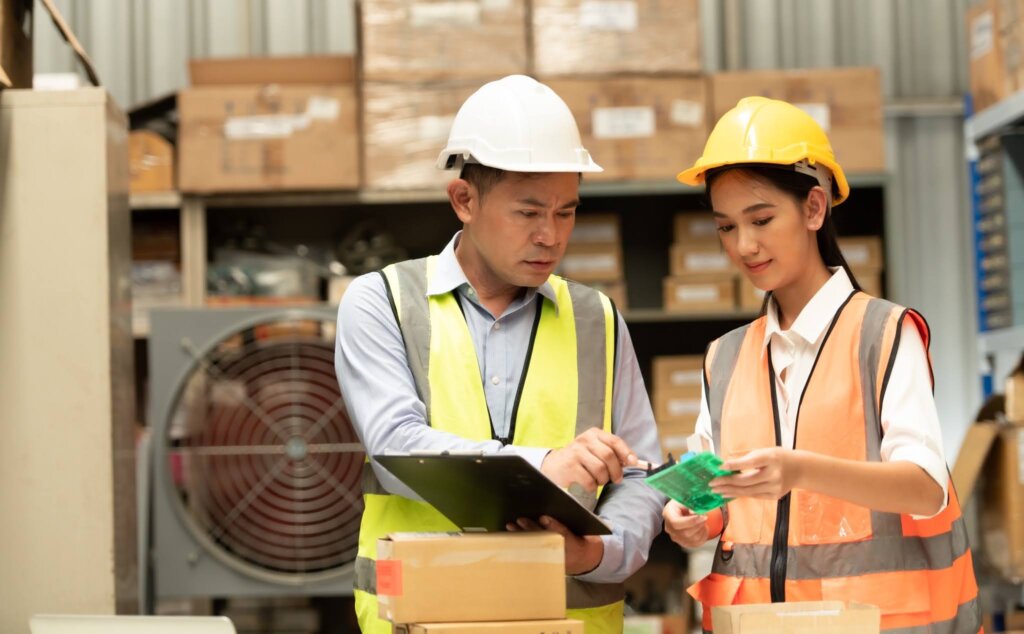
Reverse logistics is a complex process that requires careful coordination. Returns are often unpredictable and anything can happen throughout the supply chain. Common issues include damaged products, delayed shipment, and incorrect return information.
These days, logistic companies rely on technology and streamline processes to keep operations running. Systems such as Warehouse Management Systems (WMS) and Transportation Management Systems (TMS) are used to monitor returned goods from start to finish.
Technologies like RFID and barcode tracking also improve inventory accuracy. In addition, many businesses partner with third-party logistics (3PL) providers that specialise in handling returns and product recovery.
Reverse Logistics Workflow in Delivery Operations
- Return Request and Collection: The process begins when a customer submits a return request. Once approved, the business will arrange a pickup or provide a return label for the customer to send the item back.
Logistic companies then schedule the collection and transport the returned product to the designated location.
- Tracking and Transportation: Returned goods are tracked throughout the journey using technologies such as barcode scanning or RFID. This gives businesses insight into the location and status of each return while helping them monitor movement.
Accurate tracking also reduces the risk of misplaced or delayed shipments.
- Sorting and Processing: Once the returned products arrive, they are sorted according to their condition and destination. Products that are still in good condition may be restocked, while damaged items are sent for repair, refurbishment, recycling, or disposal.
An organised sorting process allows warehouses to process returns more efficiently and minimise delays.
- Inventory Updates and Product Recovery: After processing, inventory records are updated to reflect the status of each returned item.
Products suitable for resale are added back into inventory, while reusable materials are recovered through refurbishment or recycling. This helps businesses recover value from returned goods while supporting a more sustainable supply chain.
Challenges in Reverse Logistics
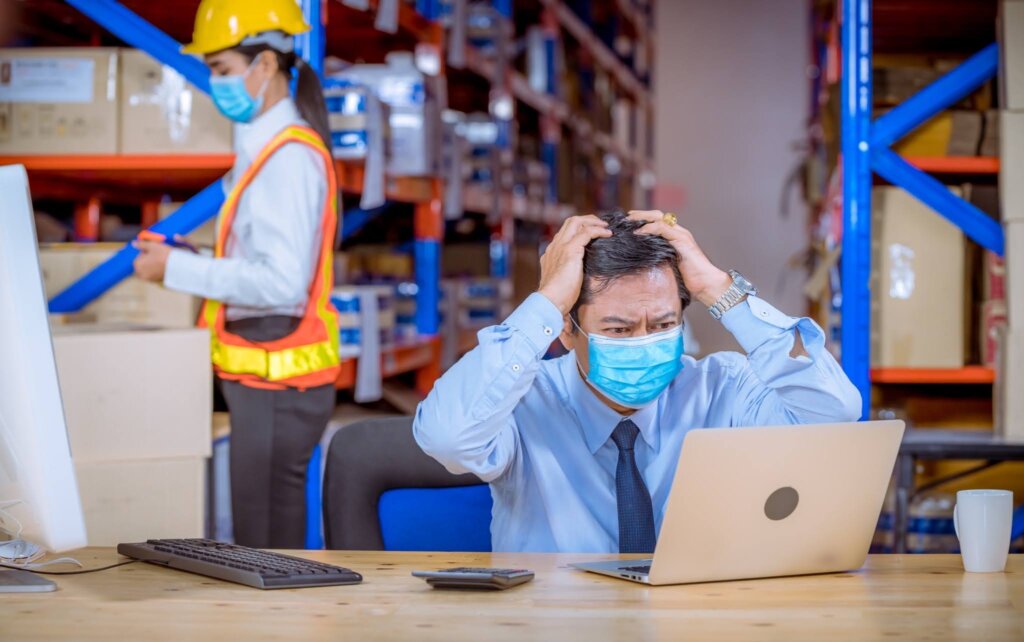
- Unpredictable Return Volumes: One of the biggest challenges is managing inconsistent return volumes. Businesses may experience a sudden increase in e-commerce returns during peak periods like festive seasons and sales events.
This can put pressure on warehouses, transportation networks, and inventory management systems.
- High Transportation Cost: Moving products back through the supply chain requires additional resources. Unlike regular logistics, reverse transportation can involve scattered collection points and smaller return shipments.
This increases freight management challenges which may result in higher cost.
- Product Inspection and Processing Delays: Returned products often require inspection before anything else. Without an efficient quality control process, items may remain in warehouses for longer periods.
This not only takes up valuable storage space but also reduces the speed of returns. A slow process can also delay refunds, exchanges, or repairs, affecting customer satisfaction.
- Lack of Supply Chain Visibility: Tracking returned goods can be more complicated than monitoring regular deliveries. Without proper technology, businesses may struggle to identify the status of returned products.
This can lead to inaccurate inventory management and unnecessary operational costs.
- Managing Product Disposal: Not all returned products can be reused and resold. Some items may require proper disposal due to damage or safety concerns.
In other words, companies must follow proper waste management practices to minimise environmental impact.
The Bottom Line
Reverse logistics is not just about handling returns. It is an essential part of the modern supply chain that helps companies recover value from returned products. At the same time, reverse logistics can also improve customer experience by making returns and repairs faster.
Ultimately, the primary goal is to create a seamless process for both business and customers. This will not only help companies reduce operational costs but also ensure that customers receive a hassle-free return experience.
Visit simsolutions.com.sg or contact us to find out more!