
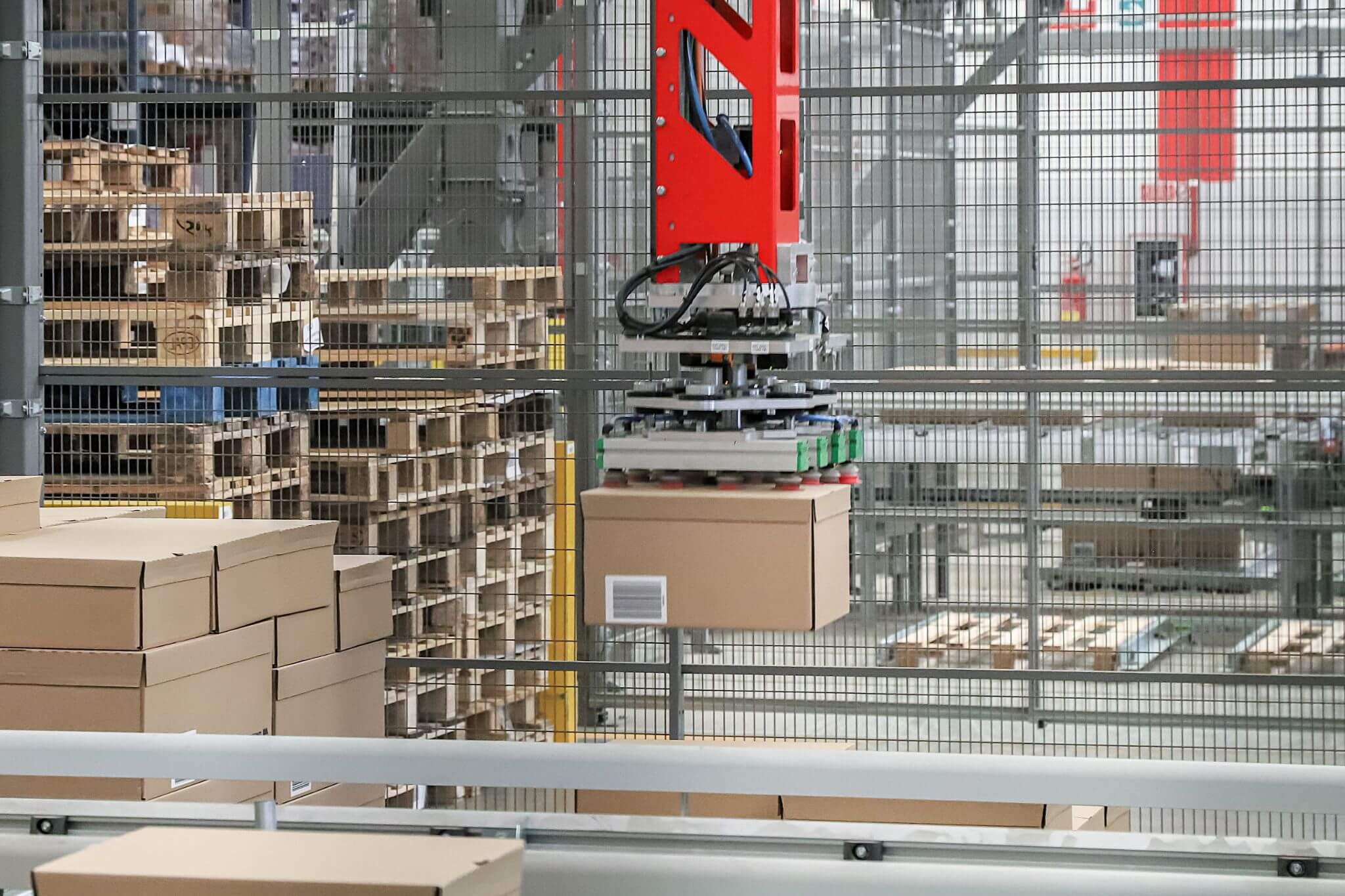
Warehouses used to rely almost entirely on manual labour, clipboards, and long hours of repetitive work.
Today, the pace looks very different. Robots move inventory across fulfilment centres, automated systems sort parcels within minutes, and smart technology helps businesses keep up with growing customer expectations.
For businesses handling increasing order volumes and tighter delivery timelines, robotics in warehousing is becoming a serious operational advantage rather than a futuristic idea.
Warehouses are Changing Faster Than Ever and Here’s Why
Customer expectations have shifted. Faster shipping, better inventory accuracy, and smoother order fulfilment are now expected across many industries.
At the same time, businesses are managing labour shortages, rising operational costs, and increasing pressure to improve productivity.
This is where warehouse robotics and automation technologies are changing the logistics landscape.
Instead of relying fully on manual handling, many warehouses now combine human workers with robotic systems to improve efficiency, reduce repetitive work, and support day-to-day operations.
For businesses, this can lead to:
- Faster order processing
- Improved inventory management
- Better warehouse safety
- Fewer picking and packing errors
- Better use of warehouse space
- Greater operational scalability during peak demand periods
However, this shift does not replace people entirely. In many warehouses, robotics supports employees by handling physically demanding or repetitive tasks while staff focus on decision-making, quality control, and operational oversight.
Read more — Smart Warehousing in Singapore: How Automation Is Transforming Logistics
Types of Robotics Used in Modern Warehouses
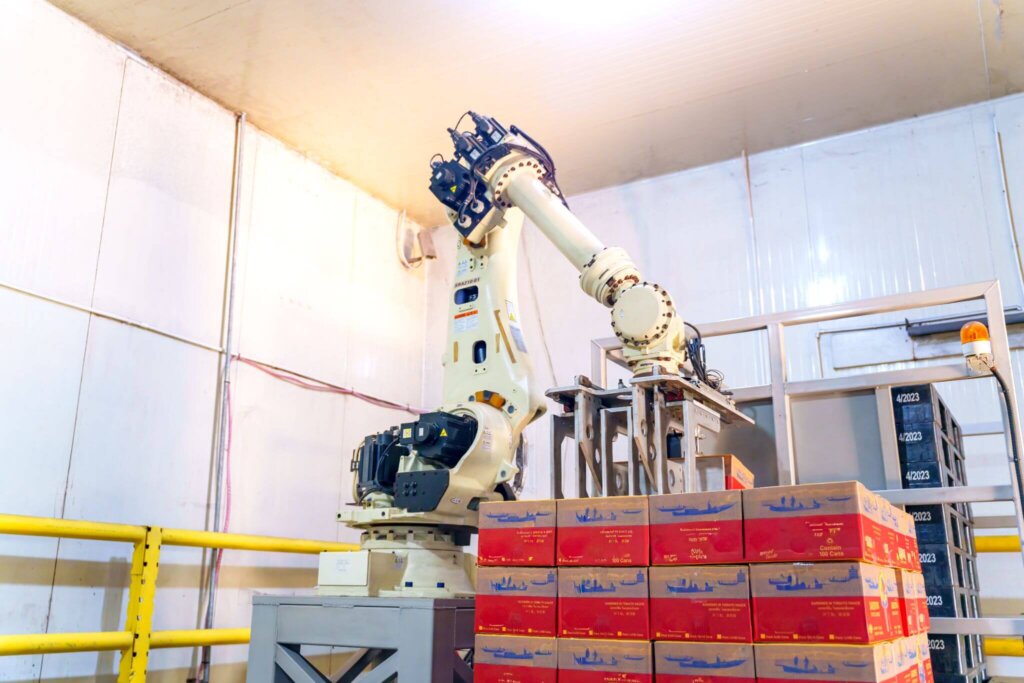
Robotics in warehousing now covers a wide range of technologies.
Some systems are simple and task-specific. Others use artificial intelligence, machine learning, and real-time data to support more advanced warehouse operations.
Here are some of the most common warehouse robotics solutions businesses are adopting today:
Autonomous Mobile Robots are Reducing Travel Time Inside Warehouses
One of the biggest productivity challenges inside a warehouse is movement. Workers spend a large portion of their shift walking between shelves, storage areas, and packing stations.
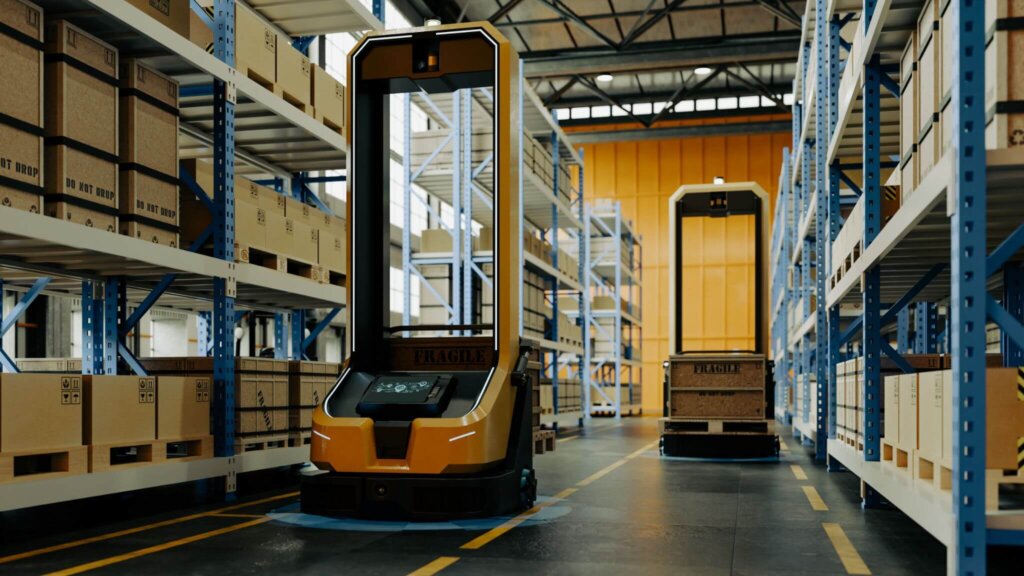
Autonomous Mobile Robots (AMRs) help reduce this problem.
These robots move through warehouse environments independently using sensors, cameras, and mapping software. They transport inventory between locations without requiring fixed tracks or manual guidance.
AMRs are commonly used for:
- Moving goods between picking stations
- Supporting e-commerce fulfilment operations
- Replenishing inventory storage areas
- Assisting with goods-to-person picking systems
- Businesses often benefit from faster picking speeds and reduced physical strain on warehouse workers.
Businesses often benefit from faster picking speeds and reduced physical strain on warehouse workers.
Automated Guided Vehicles are Helping Warehouses Handle Heavy Loads
Automated Guided Vehicles (AGVs) are another common form of warehouse automation.
Unlike AMRs, AGVs typically follow fixed routes using magnetic strips, markers, or navigation systems. They are often used in larger facilities where repetitive transport tasks happen throughout the day.
AGVs are useful for:
- Pallet transportation
- Moving bulk inventory
- Loading and unloading operations
- Manufacturing and distribution environments
For warehouses managing large inventory volumes, AGVs can improve workflow consistency while reducing manual forklift traffic.
Robotic Picking Systems are Improving Order Accuracy
Picking errors can lead to delayed shipments, incorrect deliveries, and dissatisfied customers.
Robotic picking systems help reduce these issues through advanced sensors, cameras, and AI-powered recognition technology.
Some robotic arms can now identify, grab, and sort products of different sizes and shapes with increasing accuracy.
These systems are often used in:
- E-commerce warehouses
- Retail fulfilment centres
- Cold storage facilities
- High-volume distribution centres
While human oversight is still important, robotic picking systems can improve consistency during high-demand periods.
Automated Storage and Retrieval Systems are Making Better Use of Space
Warehouse space is expensive, especially in land-constrained markets like Singapore.
Automated Storage and Retrieval Systems (AS/RS) help businesses maximise vertical storage space while improving inventory accessibility.
These systems automatically store and retrieve goods using robotic shuttles, cranes, or lifts.
Benefits often include:
- Better inventory organisation
- Reduced storage congestion
- Faster stock retrieval
- Improved inventory tracking
- Better warehouse space optimisation
For businesses facing warehouse space limitations, AS/RS technology can improve storage density without expanding physical facilities.
The Long-Term Benefits of Robotics in Warehousing
Many discussions about robotics in warehousing focus heavily on speed. While faster fulfilment matters, the long-term operational benefits often go much deeper.
Better Inventory Visibility Supports Smarter Decisions
Modern warehouse robotics systems are usually integrated with Warehouse Management Systems (WMS), barcode scanning, RFID tracking, and inventory management software.
This creates better real-time inventory visibility.
Businesses can monitor:
- Inventory levels
- Product movement
- Picking performance
- Order fulfilment status
- Storage utilisation
Better visibility helps reduce stock discrepancies and supports more accurate demand planning.
Robotics Can Help Reduce Workplace Injuries
Warehouse work can involve repetitive lifting, long walking distances, and physically demanding tasks.
Robotic systems can assist with:
- Heavy lifting
- Repetitive transportation tasks
- High-reach storage retrieval
- Pallet movement
Reducing physical strain may help lower workplace injury risks while creating safer warehouse environments.
This is especially important for businesses managing large-scale warehouse operations around the clock.
Seasonal spikes can place enormous pressure on warehouse teams.
During peak periods, businesses often struggle with:
- Labour shortages
- Slower order fulfilment
- Higher error rates
- Warehouse congestion
Robotics systems can help warehouses scale operations more effectively during busy seasons by maintaining more consistent performance levels.
This operational flexibility is one reason many e-commerce and retail businesses continue investing in warehouse automation.
Artificial Intelligence is Shaping the Next Phase of Warehouse Robotics
The future of logistics will likely involve deeper integration between robotics, artificial intelligence, and predictive analytics.
AI-powered systems are already helping warehouses:
- Predict inventory demand
- Optimise picking routes
- Improve labour allocation
- Detect operational bottlenecks
- Support predictive maintenance for equipment
Some warehouse systems can even analyse historical order data to improve operational planning.
As AI capabilities continue evolving, warehouses may become even more responsive, adaptive, and data-driven.
Human Workers Still Play an Important Role in Warehouse Operations
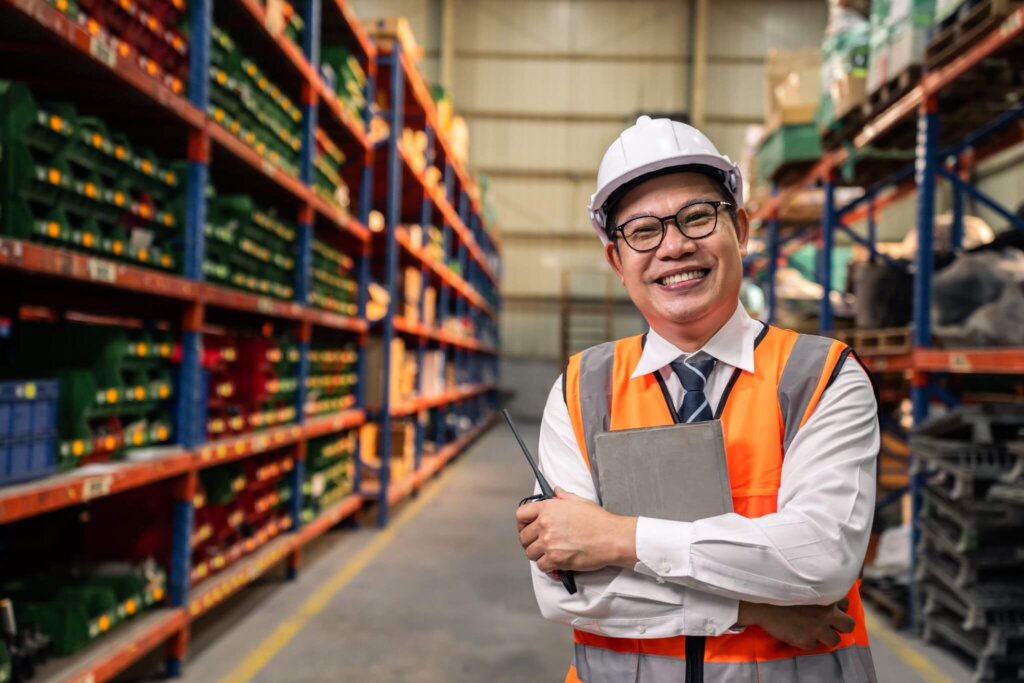
Despite rapid automation growth, warehouses still rely heavily on human expertise.
Robotics in warehousing is often most effective when automation and human workers complement each other.
People are still needed for:
- Operational supervision
- Exception handling
- Customer service coordination
- Quality assurance
- Maintenance support
- Strategic warehouse planning
In many modern facilities, automation helps employees work more efficiently rather than replacing entire workforces.
This human-robot collaboration model is becoming increasingly common across global logistics operations.
Businesses are Rethinking Warehouse Strategy Across Singapore
Singapore’s logistics sector continues investing in digital transformation, automation, and smart warehousing solutions.
With limited land space and growing fulfilment demands, many businesses are exploring robotics and warehouse automation to improve efficiency while maintaining service quality.
For companies handling:
- E-commerce fulfilment
- Retail distribution
- Spare parts logistics
- Cold chain operations
- Manufacturing inventory
- Cross-border logistics
warehouse robotics can support long-term operational resilience and scalability.
However, successful implementation requires careful planning.
Businesses often need to evaluate:
- Warehouse layout suitability
- Existing operational workflows
- System integration requirements
- Budget considerations
- Employee training needs
- Long-term scalability goals
The right solution depends on operational needs rather than trends alone.
The Future of Warehouses
Warehousing is moving towards faster, smarter, and more connected operations.
Future-ready warehouses are likely to combine:
- Robotics and automation
- Real-time inventory tracking
- AI-driven analytics
- Cloud-based warehouse management systems
- Internet of Things (IoT) connectivity
- Data-driven operational planning
Businesses that invest strategically in logistics technology may be better positioned to respond to changing customer demands and supply chain challenges.
At the same time, flexibility will remain essential. Warehouses need systems that can adapt to shifting inventory volumes, changing fulfilment requirements, and future operational growth.
Building Smarter Warehouse Operations With the Right Support
Robotics in warehousing is changing how businesses manage fulfilment, inventory movement, and operational efficiency.
While automation continues evolving, successful warehouse operations still depend on choosing solutions that align with your business needs, workflows, and long-term growth plans.
Sim Solutions support businesses with warehousing and local logistics solutions designed to improve operational efficiency and supply chain performance. If you are exploring smarter warehousing support for your business, contact us to learn how we can help.