
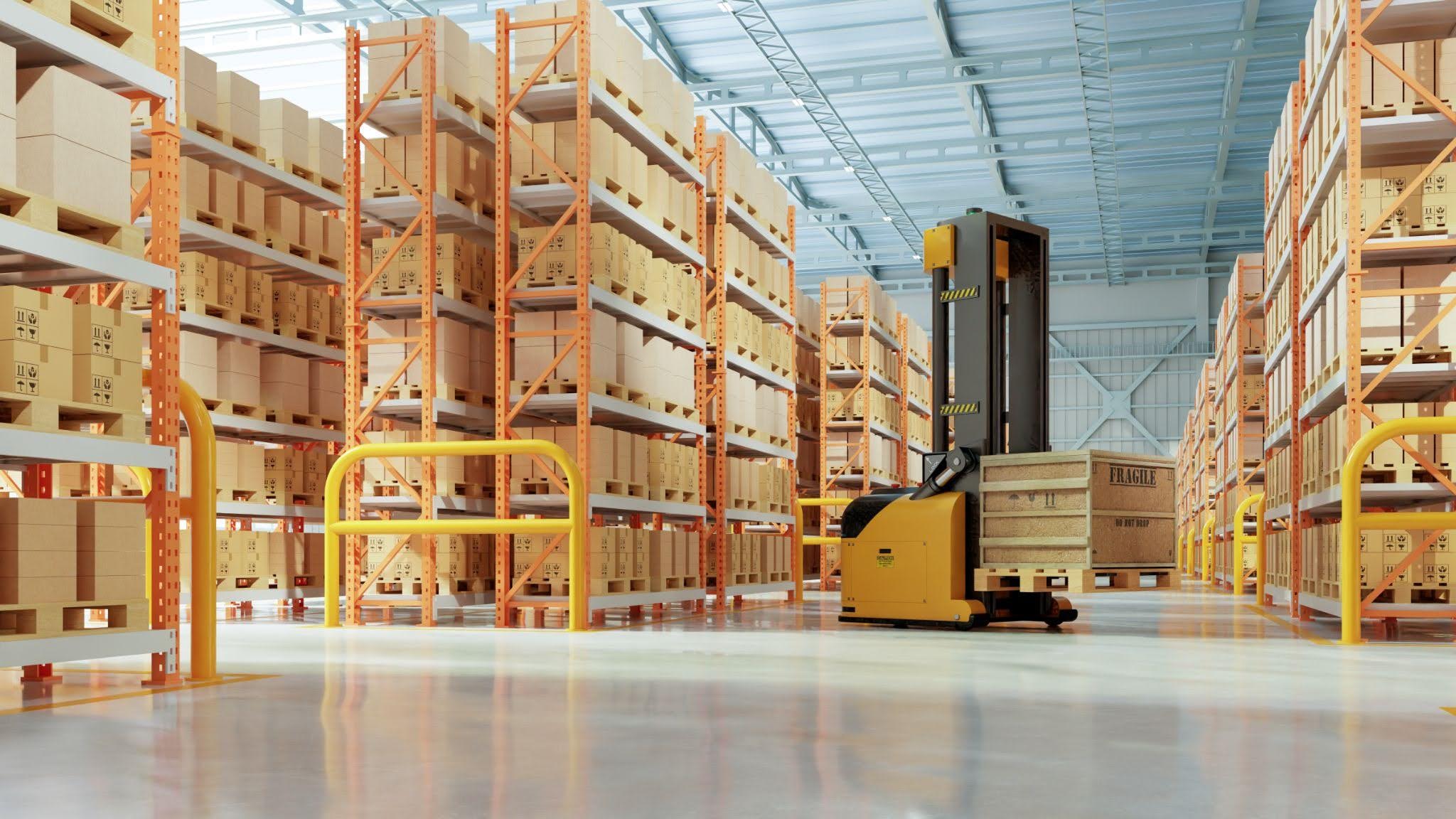
Goods move through several stages before reaching the customer, and each stage affects cost, delivery speed, and supply chain performance.
For businesses managing shipments, understanding this flow helps improve planning, reduce delays, and support more reliable order fulfilment.
This guide explains first mile and last mile delivery, along with middle mile delivery, and how all three stages work together within the logistics process.
Need a logistics partner for your business? Reach out to Sim Solutions Singapore via phone or our online contact form for any enquiries!
What Is First Mile Delivery?
First mile delivery is the first stage of the logistics process, where goods move from the point of origin into the supply chain. This usually involves transporting products from a manufacturer, supplier, or production site to a warehouse or distribution centre.
This stage includes activities such as collection of goods, basic handling, labelling, and preparation for storage or further transport. It is also where inventory first enters a logistics network.
The efficiency of the first mile affects the rest of the supply chain. Delays, incorrect handling, or poor coordination at this stage can disrupt stock availability and slow down subsequent delivery stages, including middle mile and last mile delivery.
(Source: Envato)
What Is Middle Mile Delivery?
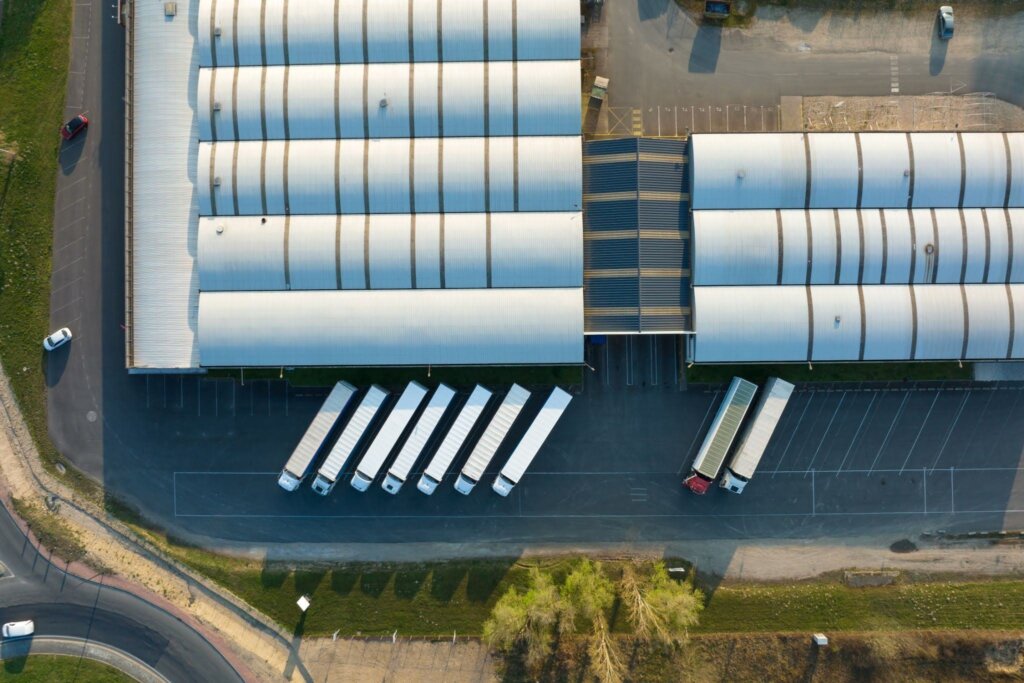
Middle mile delivery is the movement of goods between logistics facilities within a supply chain. This usually involves transporting inventory from a warehouse or distribution centre to another warehouse, fulfilment centre, or regional hub.
Goods are often consolidated, moved in bulk, and transferred through planned routes between locations. This helps reduce empty space in transport, improve efficiency, and keep inventory moving through the network.
Route planning and capacity use matter here because they affect both cost and timing. When coordination is efficient, businesses can reduce unnecessary trips, control transport costs, and keep goods moving without interruption.
Middle mile delivery also links the first mile and last mile stages, so any delay or inefficiency can affect stock availability and delivery timelines downstream.
What Is Last Mile Delivery?
Last mile delivery is the final stage of the logistics process, where goods move from a warehouse or fulfilment centre to the end customer. This may involve delivery to homes, offices, or retail locations, depending on the order type.
Last mile delivery is often affected by traffic conditions, delivery time slots, address accuracy, and failed delivery attempts. These factors can influence how quickly and reliably orders are completed.
Since this is the final step in the supply chain, timing and accuracy are important. Delays or errors at this stage can increase costs and affect customer satisfaction.
(Source: Envato)
Why Every Delivery Stage Matters for Business Success
Each stage in the delivery process affects how goods move through the supply chain. When one stage slows down or breaks, the impact is carried through to the rest of the journey.
First mile delivery affects how quickly stock enters the system. Middle mile delivery affects how inventory is positioned across warehouses and distribution centres. Last mile delivery affects how orders reach customers and how the service is experienced.
When all three stages are managed together, businesses gain better control over costs, order fulfilment, and delivery performance. This improves inventory flow, reduces delays, and supports more stable operations.
A connected approach to supply chain management also helps reduce excess transport, improve stock availability, and support consistent delivery timelines.
For businesses handling growing order volumes, this structure becomes essential for maintaining efficiency across logistics operations.
Common Challenges Across the Three Delivery Stages
First mile, middle mile, and last mile delivery face different operational issues, but several challenges appear across all stages of the supply chain.
- Limited visibility
Without clear shipment tracking, it becomes harder to monitor progress, manage delays, or respond to customer enquiries.
- Delays and bottlenecks
Disruptions can occur due to traffic, warehouse congestion, supplier delays, or gaps in transport scheduling.
- Rising transport costs
Inefficient routes or unused vehicle capacity can increase overall logistics costs and reduce efficiency.
- Inventory inaccuracies
Stock errors can lead to missed shipments, fulfilment delays, or unnecessary transfers between facilities.
- Communication gaps
Poor coordination between suppliers, warehouses, and logistics providers can slow down movement across the network.
(Source: Envato)
How Businesses Can Optimise First, Middle, and Last Mile Delivery
Improving logistics performance requires looking at the full delivery process, not just one stage. When first mile, middle mile, and last mile delivery are managed together, businesses gain better control over cost, timing, and reliability.
- Use integrated logistics providers
Work with providers that manage end-to-end supply chain operations to improve coordination between stages.
- Implement real-time shipment tracking
Use tracking systems to improve visibility across the supply chain and reduce delays in response times.
- Optimise warehouse locations
Place inventory closer to demand centres to reduce transport time and improve fulfilment speed.
- Use route optimisation tools
Plan transport routes based on distance, traffic, and capacity to reduce inefficiencies.
- Improve forecasting with data
Use historical shipment and demand data to plan inventory levels and reduce stock imbalances.
- Choose scalable logistics solutions
Use systems and partners that can support growth in order volume without disrupting operations.
Conclusion: Building a Smarter End-to-End Logistics Strategy
First mile, middle mile, and last mile delivery are not separate processes. They are part of one continuous journey that moves goods from supplier to customer.
When businesses understand how each stage connects, it becomes easier to spot delays, manage costs, and improve delivery performance. Small improvements in one area often have an impact across the entire supply chain.
If you are reviewing your logistics setup, it helps to look at the full process rather than focusing on a single stage. This gives a clearer view of where things can be improved and how to keep deliveries running more consistently.
Need a logistics partner for your business? Reach out to Sim Solutions Singapore via phone or our online contact form for any enquiries!