
Key Takeaways
- The Definition: Logistic services manage the entire flow of goods, information, and resources from their point of origin to their final point of consumption.
- The Scope: It is a strategic discipline that goes far beyond simple transportation, encompassing warehousing, inventory management, technology, and planning.
- The Value: Effective logistics prevent “profit killers.” A single misdelivered package can cost a business for the recovery efforts, from customer service time to reshipment fees.
- The Options: Businesses can manage logistics in-house or outsource to specialist providers like 3PLs (who handle physical execution) or 4PLs (who manage overall strategy).
- The Future: Modern logistics is driven by technology. Artificial Intelligence (AI), the Internet of Things (IoT), and real-time data are now essential to meet the “Amazon-level” expectations of today’s customers.
Understanding Logistics
Did you know that whilst your customers only see the delivery driver at their door, many business operations are held together by a fragile combination of spreadsheets and hope?
It’s a risky strategy in a global logistics industry set to be worth trillions of dollars. Getting it wrong isn’t just an inconvenience. It’s a direct drain on your bottom line.
This guide will demystify the world of logistic services. We’ll explore what they are, why they are the backbone of supply chain management, and how you can leverage them to build a more efficient, profitable, and competitive business.
Logistics vs. Transportation vs. Supply Chain
These terms are often used interchangeably, but they represent different scopes of operation.
Supply Chain
This is the entire, overarching network. It includes every entity involved in bringing a product to a customer, from the raw material suppliers to the manufacturers, distributors, and retailers.
Logistics
This refers to the tactical execution and management within that network. It involves the planning, implementation, and control of moving and storing goods as part of broader supply chain solutions.
Transportation
This is simply one component of logistics. It is the physical movement of goods from one place to another using lorries, ships, trains, or planes.
The Goal: The 7 R’s of Logistics
The universal goal of any logistics operation can be summarised by the “7 R’s”. It is the discipline of getting the : Right product, in the Right quantity and Right condition, to the Right place at the Right time for the Right customer at the Right price.
The Three Pillars of Logistics Flow
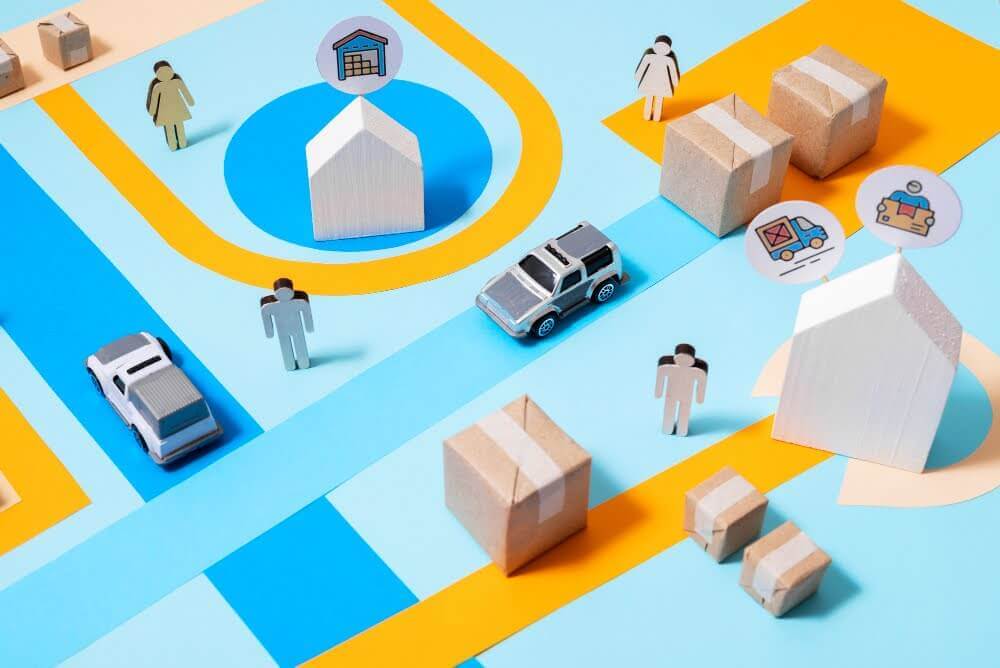
To understand logistics, it helps to think of it as a continuous loop that follows the journey of your products.
A. Inbound Logistics (Coming In)
This is the management of all incoming goods. It involves coordinating with suppliers, arranging transportation, and handling the procurement, the receiving and quality control of materials as they enter your business.
B. Outbound Logistics (Going Out)
This customer-facing process covers everything required to get your finished products to the end-user. It includes order processing, picking and packing from the warehouse, and managing the final distribution and delivery.
C. Reverse Logistics (Coming Back)
An often-overlooked but increasingly vital part of the process, reverse logistics management handles the backward flow of goods from the customer back to you. This includes handling customer returns, product repairs, and environmentally responsible recycling or disposal.
Core Functions and Components
Within the three pillars, several core functions work together to create an effective logistics system.
Warehousing & Storage
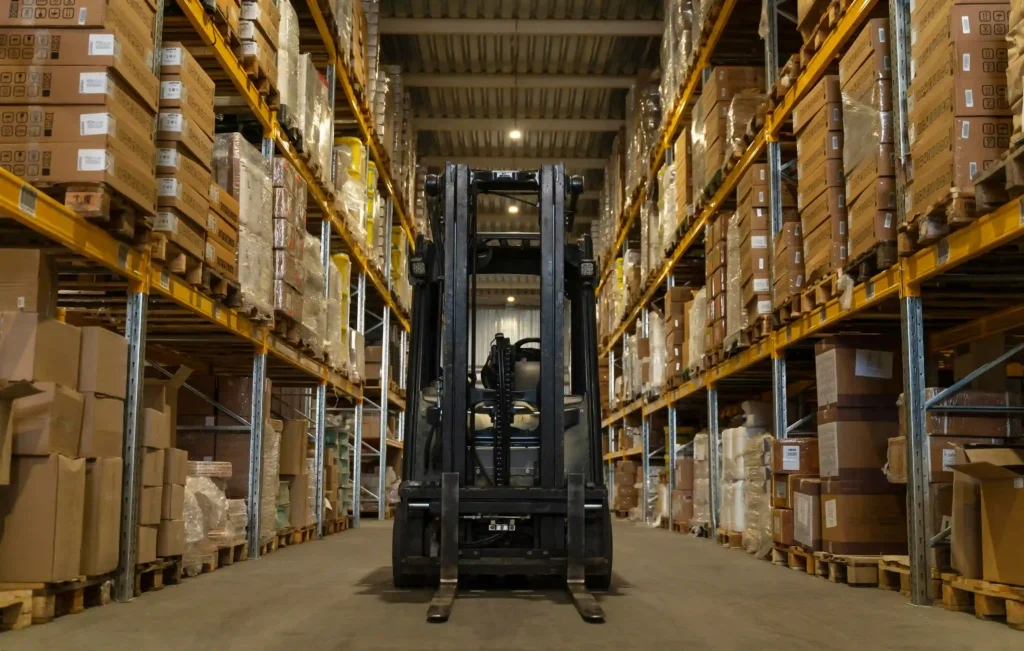
Strategic warehousing solutions involves optimising the layout for efficient picking, ensuring security, and choosing locations that reduce delivery times and costs.
Inventory Management
This is the process of using data for optimal inventory control. The goal is to balance supply with demand, preventing costly overstocking while avoiding stockouts that lead to lost sales.
Freight Forwarding
This service coordinates complex shipments, particularly for international trade. Freight forwarders act as an agent to manage everything from customs documentation and duties to booking cargo across multiple transport modes.
Order Fulfilment
This is the hands-on process of turning a customer order into a shipment. It involves accurately picking items from warehouse shelves, packing them securely for transit, and labelling them correctly for dispatch.
Last-Mile Delivery
This refers to the final step of the journey, from a local distribution centre to the customer’s front door. It is often the most expensive and complex part of the entire last mile logistics process.
Industry-Specific Logistics Examples
Logistics is not a one-size-fits-all solution. Different industries face unique challenges that require specialised approaches.
eCommerce & Retail
This sector is defined by high volumes of small parcels, immense pressure for fast delivery (including same-day and next-day services), and the need to manage a high rate of customer returns seamlessly.
Healthcare & Pharmaceuticals
A highly specialised field requiring strict regulatory compliance, temperature-controlled transport (the “cold chain”), and time-critical delivery where patient care is paramount.
Manufacturing
The focus for manufacturers is often on “Just-In-Time” (JIT) delivery. This logistics strategy ensures that raw materials arrive at the production facility exactly when they are needed, minimising the costs associated with holding large amounts of inventory.
Types of Logistics Service Providers
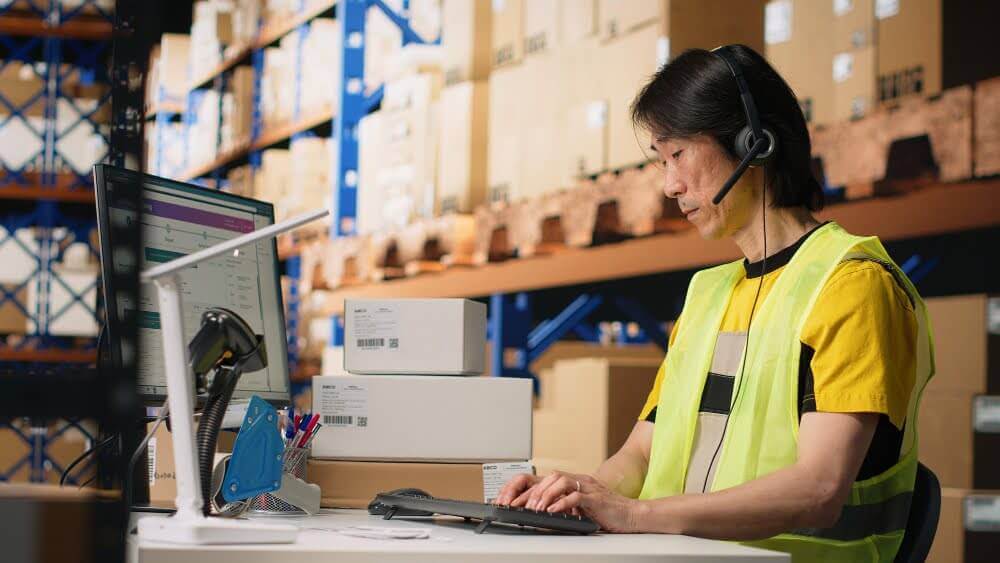
Most businesses eventually face the choice of whether to manage logistics in-house or to outsource to a specialist logistics company.
3PL (Third-Party Logistics)
This is the most common outsourcing model. A 3PL provider handles the physical logistics operations on your behalf. They own or lease the warehouses and vehicles and employ the staff to execute the work, from storage to shipping.
4PL (Fourth-Party Logistics)
A 4PL provider acts as a strategic partner or integrator. They typically do not own physical assets like warehouses. Instead, their role is to manage the entire supply chain, often by selecting and coordinating various 3PLs and other providers on your behalf. They focus on optimisation and strategy.
5PL (Fifth-Party Logistics)
This is a newer model focused on network management. A 5PL will manage supply chains and logistics networks across multiple companies, leveraging advanced technology and e-business platforms to achieve massive economies of scale.
Technology: The Brain Behind the Brawn
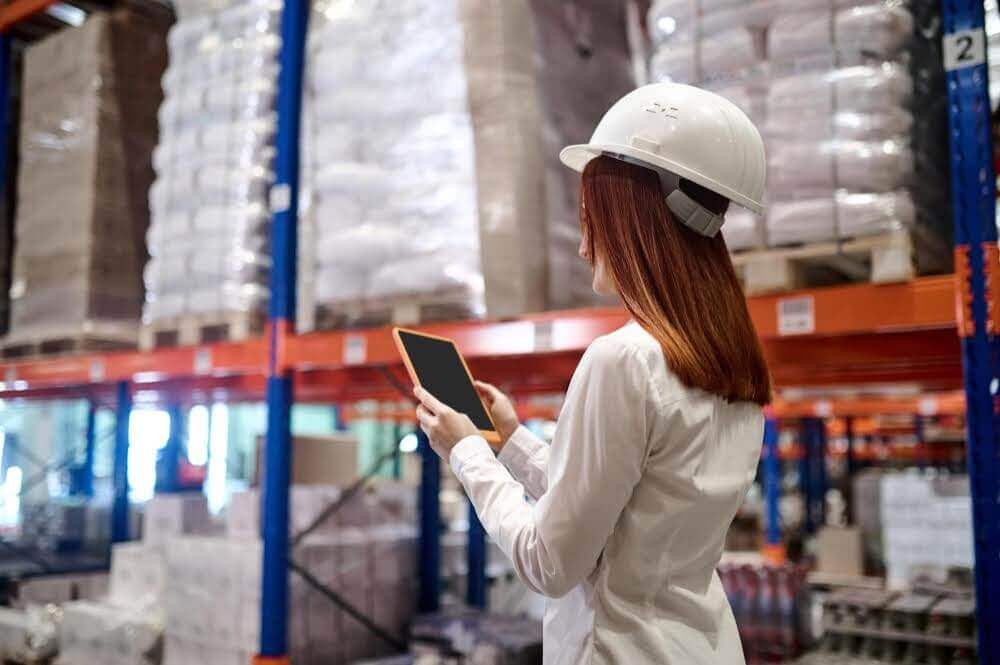
Modern logistics operations are powered by sophisticated technology that enables a level of efficiency and visibility that was previously impossible.
Artificial Intelligence (AI)
AI is used for predictive analytics to forecast customer demand with incredible accuracy. It also powers route optimisation software that can calculate the most efficient delivery routes in real-time, considering traffic, weather, and vehicle capacity.
Internet of Things (IoT)
IoT refers to a network of physical devices, such as sensors in vehicles and on packages. These sensors can provide real-time data on location, temperature, humidity, and shock, which is critical for ensuring the integrity of fragile or perishable goods.
Integrated Systems (WMS & TMS)
A Warehouse Management System (WMS) optimises everything within the warehouse, while a Transportation Management System (TMS) manages everything on the road. When these systems “talk” to each other, it eliminates errors and creates a single, transparent view of the entire process.
Understanding Costs & Pricing Models
The cost of logistic services is variable and depends on your specific needs. However, the fees are typically broken down into several categories.
The Fee Breakdown
- Receiving/Inbound: A charge for accepting and processing your incoming stock, often priced per pallet, per box, or per hour.
- Storage: The fee for the physical space your products occupy, usually charged per cubic metre, per pallet, or per bin on a monthly basis.
- Fulfilment (Pick & Pack): Fees charged for the labour involved in picking items and packing them for an order. This is often priced per item.
Common Pricing Models:
- Activity-Based: You pay only for the services you use (e.g., storage space occupied, number of orders picked). This is a common and flexible model for growing businesses.
- Cost-Plus: The provider charges you their actual operational costs plus a pre-agreed management fee or margin. This offers transparency but requires a high degree of trust.
- Performance-Based: A portion of the provider’s payment is tied to achieving specific Key Performance Indicators (KPIs), such as on-time delivery rates or order accuracy. This model aligns the provider’s goals directly with your own.
How to Choose the Right Partner
Selecting a logistics provider is a critical business decision. Here are four key areas to consider.
- Assess Your Maturity: Are you a start-up that needs a “doer” to handle the basics (a 3PL)? Or are you a larger, more complex business that needs a “strategist” to manage your entire supply chain (a 4PL)?
- Check the Tech Stack: A modern provider should offer a technology platform that gives you real-time visibility of your inventory and orders. Crucially, can it integrate with your eCommerce platform (like Shopify or WooCommerce)?
- Verify Industry Expertise: If you sell frozen food, you need a provider with proven expertise in cold chain logistics. Don’t hire a generalist if your products require specialised handling.
- The “Red Flag” Check: Be direct. Ask about their order accuracy rates, their on-time delivery statistics, and their process for handling lost or damaged goods. A confident provider will have this data readily available.

Gaining Your Competitive Edge
Logistics is no longer just a cost centre. It’s your competitive advantage. By optimising this critical part of your business, you can directly improve profitability and customer satisfaction.
Whether you’re looking to optimise your warehousing or streamline your deliveries the experts at Sim Solutions are here to help.
To discover how you can transform your operations, contact the Sim Solutions team for a consultation today. Call them on +65 6280 3309.
Frequently Asked Questions (FAQ)
1. What is the difference between supply chain management and logistics?
Supply chain management is the broad strategic overview of the entire network, from sourcing raw materials to final delivery. Logistics refers to the specific activities within that chain, such as transportation, warehousing, and inventory management.
2. What is a 3PL vs. a 4PL?
A 3PL (Third-Party Logistics) provider is a company you outsource physical logistics operations to, like warehousing and shipping. A 4PL (Fourth-Party Logistics) provider is a strategic partner that manages your entire supply chain, often by coordinating the work of multiple 3PLs.
3. How much do logistic services typically cost?
Costs are highly variable and depend on the services you need, your product volume, and complexity. Pricing is usually broken down into fees for receiving, storage, order fulfilment (pick & pack), and shipping.
4. Why is reverse logistics important?
Reverse logistics (handling returns) is crucial for recovering value from returned goods, reducing waste, and maintaining a positive customer experience. For online retailers, an easy and efficient returns process can be a key competitive advantage.