
As we move through 2026, the global logistics landscape has reached a pivotal tipping point. For Singapore, a city-state synonymous with trade excellence, this evolution is not merely a trend but a survival strategy.
The integration of Smart Warehousing has moved from the fringes of experimental pilot programmes to the heart of the national supply chain resilience strategy.
With the recent full-scale operational phases of the Tuas Mega Port, Singapore has solidified its position as a “Smart Logistics Orchestrator,” using cutting-edge technology to overcome its inherent constraints of space and manpower.
The High Stakes of the “Little Red Dot”
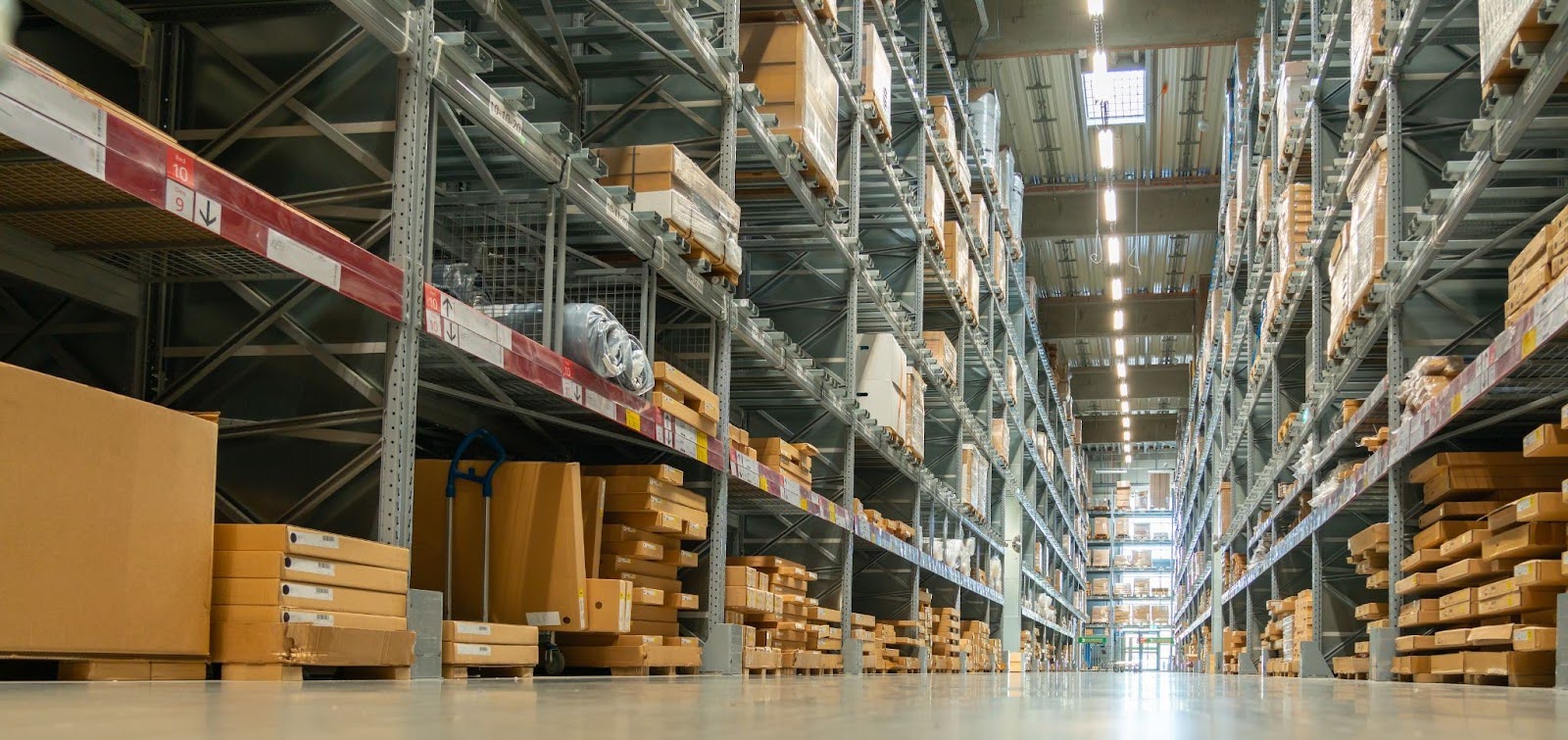
Singapore’s logistics sector faces a unique “triple constraint” : acute land scarcity, a tightening labour market, and the relentless speed of global e-commerce. Traditional, horizontal storage facilities are no longer viable in industrial hubs like Jurong or Changi.
To maintain its status as the world’s leading logistics hub, the industry has embraced Smart Warehousing – A data-driven ecosystem where every movement is tracked, predicted, and optimised. By transitioning to vertical, high-density facilities, firms are seeing an increase in throughput while reducing their physical footprint.

(Source: Freepik)
The Digital Architecture: WMS, WCS, and the 5G Nerve Centre
A common mistake in early automation was viewing it as just “buying robots.” In 2026, the industry understands that Smart Warehousing requires a sophisticated digital hierarchy:
- The Brain – Warehouse Management System (WMS): This layer handles high-level inventory data, order prioritisation, and integration with the Networked Trade Platform (NTP).
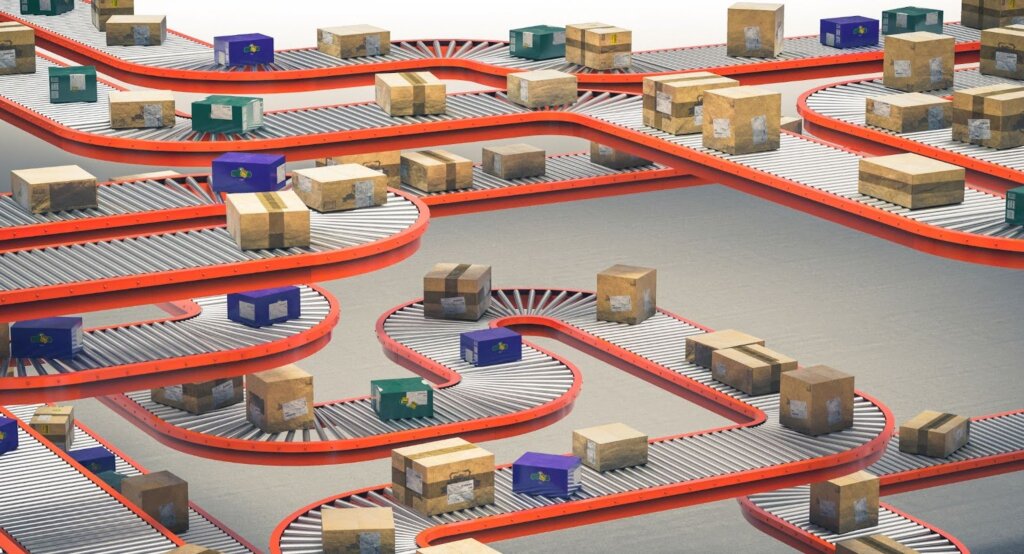
- The Nerves – Warehouse Control System (WCS): The WCS acts as the bridge between software and hardware, orchestrating the real-time movements of conveyors and sorters.
- The Senses – Internet of Things (IoT): Thousands of sensors across the facility monitor everything from ambient temperature for pharmaceutical cold chains to the battery health of autonomous fleets.
Powering this entire stack is Singapore’s nationwide 5G network, providing the ultra-low latency required for Digital Twins – virtual models that allow managers to simulate and test warehouse workflows before implementing them in the physical world.
Key Technologies Driving Efficiency
The 2026 warehouse looks vastly different from those of a decade ago. Several key technologies are now standard:
- Vertical AS/RS (Automated Storage and Retrieval Systems): These systems allow goods to be stored up to 50 metres high, perfectly suited for Singapore’s multi-storey ramp-up warehouses.
- Collaborative Robotics (Cobots): Instead of replacing humans, these robots work alongside staff to handle repetitive “each-picking” tasks, reducing physical strain and error rates.
- Robotics-as-a-Service (RaaS): To lower the barrier to entry for SMEs, many Singaporean tech providers now offer automation on a subscription basis, shifting the financial burden from CAPEX to OPEX.
(Source: Freepik)
A Strategic Roadmap for Implementation
For local firms looking to transition, the path is structured and heavily supported by the government under the Logistics ITM 2025 (Industry Transformation Map).
- Process Audit: Identifying bottlenecks in legacy facilities.
- Financial Planning: Leveraging the Productivity Solutions Grant (PSG) or the Enterprise Development Grant (EDG), which can subsidise a significant portion of automation costs.
- Vendor Selection: Choosing systems that integrate seamlessly with Singapore’s customs and port authorities.
- Workforce Upskilling: Utilising SkillsFuture and Career Conversion Programmes (CCPs) to retrain manual pickers as system controllers.
Case Studies: Local Leaders
The “Little Red Dot” is home to several global benchmarks in Smart Warehousing:
- YCH Group’s Supply Chain City: A massive facility in Jurong that combines high-rise AS/RS with advanced analytics to serve the ASEAN market.
- Lazada’s Automated Hub: Utilising high-speed sorting and robotic picking to meet the delivery demands of the modern Singaporean consumer.
(Source: Freepik)
Sustainability and the Singapore Green Plan 2030
In line with the Singapore Green Plan 2030, Smart Warehousing is playing a vital role in decarbonisation. Automated “dark warehouses” require significantly less lighting and cooling, drastically reducing energy consumption.
Furthermore, AI-driven optimisation ensures that transport routes are more efficient, lowering the carbon footprint of the entire last-mile delivery network.
The Future is Autonomous
As we look toward 2030, the standardisation of Smart Warehousing in Singapore serves as a blueprint for land-constrained cities globally. By fusing high-density hardware with AI-driven software, Singapore has turned its physical limitations into a technological edge.
For businesses operating in the APAC region, the message is clear: the transition to a smart, automated facility is no longer a choice.It is the essential foundation for any resilient, future-ready supply chain.
Whether you’re looking to optimise your warehousing through automation or streamline your deliveries, the experts at Sim Solutions are here to help.
To discover how you can transform your operations, contact the Sim Solutions team for a consultation today. Call them on +65 6280 3309.
Frequently Asked Questions (FAQ)
1. Can small 3PLs afford Smart Warehousing?
GPS is best for tracking vehicles over long distances using satellites. RFID is best for short-range tracking inside a building, like a warehouse. It uses radio waves to identify and track tags attached to individual pallets or items.
2. How does automation impact the local workforce?
While manual roles are decreasing, the demand for “Logistics Technicians” and data analysts is surging. Programmes like SkillsFuture are essential for helping the workforce transition to these higher-paying, tech-centric roles.
3. What is the role of the Logistics ITM 2025 in this shift?
The Logistics ITM 2025 provides the regulatory framework and financial roadmap to ensure Singapore remains a global leader in automated and sustainable logistics.