

A delayed shipment can ripple through your entire business. Customers wait. Costs rise. Your team scrambles to fix problems that should never have happened.
To prevent disruptions like these, many businesses begin exploring supply chain outsourcing when operations become complex or growth starts to outpace internal capabilities.
Yet the decision is rarely straightforward. The right move can sharpen efficiency and free up resources. The wrong move can create new dependencies.
Understanding the pros and cons of supply chain outsourcing helps you decide what truly works for your business.
Why More Businesses Are Turning to Supply Chain Outsourcing
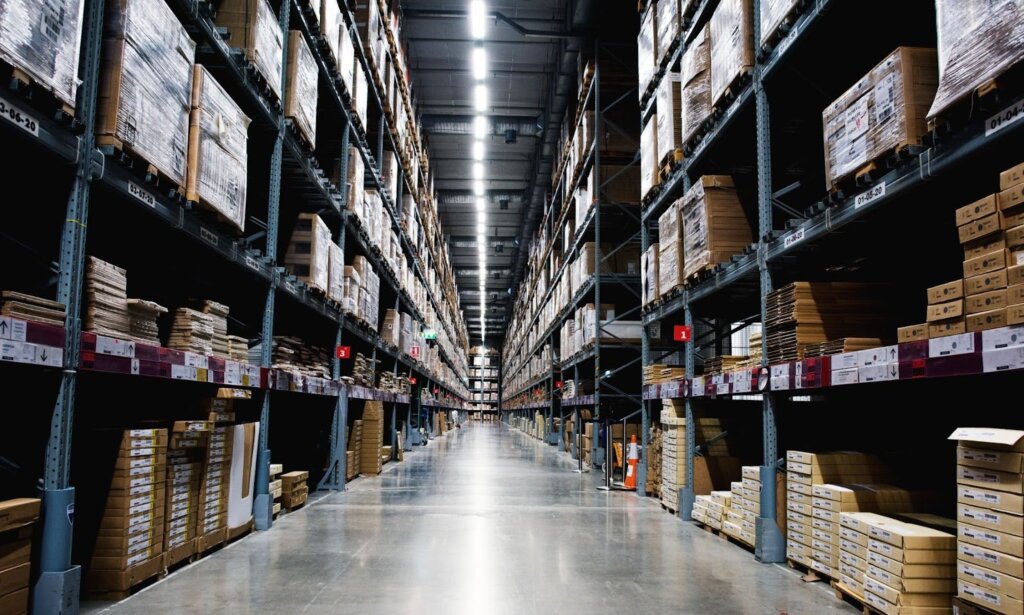
Running a supply chain today involves far more than moving goods from one location to another. It includes inventory management, warehousing, freight coordination, customs processes, and last-mile delivery.
As businesses grow, managing these functions internally can stretch resources. This is why many companies explore supply chain outsourcing, where a third-party logistics provider (3PL) manages part or all of these operations.
Common services outsourced include:
- Warehousing and distribution
Storage, inventory tracking, order fulfilment, and dispatch operations.
- Freight management
Coordination of sea freight, air freight, and land transportation.
- Inventory planning and control
Monitoring stock levels and improving stock flow to avoid shortages or overstock.
- Customs clearance and compliance
Handling documentation, duties, and regulatory requirements.
For many organisations, outsourcing allows them to focus on what they do best while logistics specialists manage the operational complexity.
Still, the advantages only become clear when balanced against the potential trade-offs.
Learn more — How to Choose the Right Warehousing Services in Singapore for Your Business
(Source: elements.envato.com)
The Advantages That Often Make Supply Chain Outsourcing Worth Considering
For the right organisation, outsourcing parts of the supply chain can unlock real operational improvements.
1. Access to Logistics Expertise
Supply chains involve specialised knowledge. Freight regulations change. Shipping routes shift. Customs procedures vary between countries.
A professional logistics partner brings experience across these areas.
You gain access to teams that understand global shipping networks, inventory systems, and distribution strategies. This knowledge can help reduce delays and improve supply chain visibility.
For businesses entering new markets, this expertise can be especially valuable.
2. Lower Operational and Infrastructure Costs
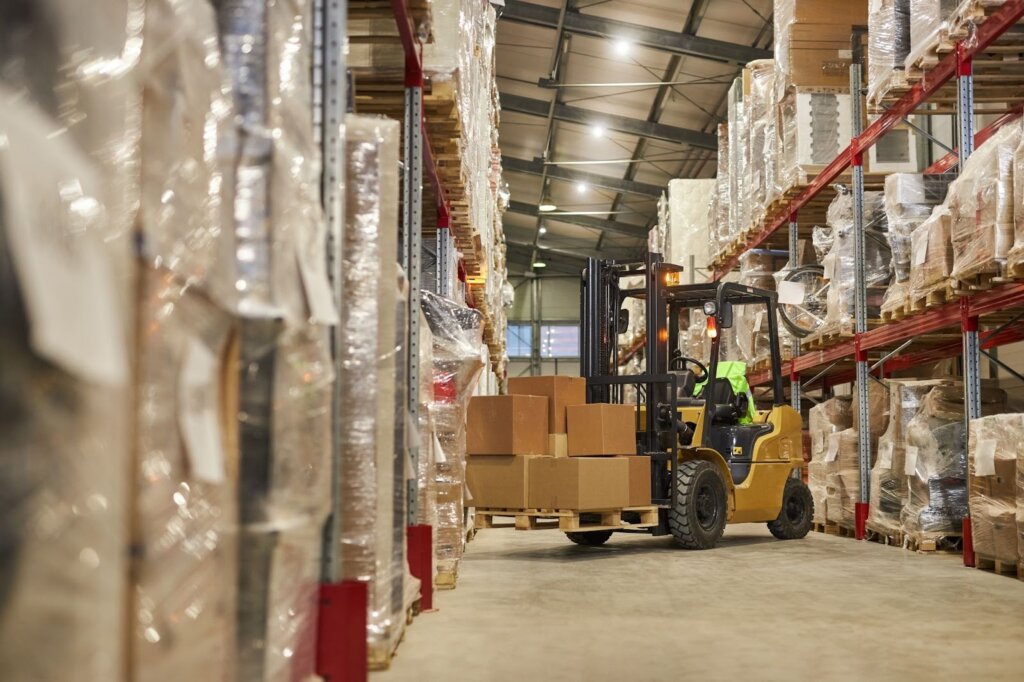
Operating your own logistics infrastructure can be expensive. You may need to invest in:
- Warehouse facilities
- Transportation fleets
- Warehouse management systems
- Labour for fulfilment and distribution
With supply chain outsourcing, many of these fixed costs become shared services. You pay for the logistics capabilities you use rather than building everything internally.
This approach can help improve cost predictability, especially during periods of fluctuating demand.
3. Better Scalability When Your Business Grows
Growth is positive, but it can strain logistics operations. Sudden increases in order volume may require:
- More storage space
- Additional transport capacity
- Expanded fulfilment teams
Logistics providers are built to scale. Many operate warehouse networks, transport partnerships, and technology systems that support efficient distribution.
This flexibility allows your supply chain to expand without major operational disruption.
4. Improved Technology and Supply Chain Visibility
Modern logistics relies heavily on technology.
Many 3PL providers operate advanced logistics platforms that track inventory, shipments, and fulfilment processes in real time.
Instead of building these systems from scratch, you can benefit from this existing infrastructure through supply chain outsourcing.
This can improve:
- Shipment tracking
- Inventory accuracy
- Data reporting
- Supply chain planning
With better visibility, your team can make faster and more informed decisions.
5. More Time to Focus on Your Core Business
Logistics can consume a significant amount of management attention.
Handling supplier coordination, delivery timelines, and operational issues can distract from other priorities such as product development, marketing, and customer relationships.
Outsourcing allows your internal teams to focus on areas that directly drive growth while experienced logistics professionals manage operational execution.

(Source: elements.envato.com)
The Trade Offs That Businesses Should Think Through Carefully
Despite the advantages, outsourcing the supply chain is not always the right solution for every organisation.
Understanding the potential drawbacks helps you make a more balanced decision.
1. Reduced Direct Operational Control
When logistics functions move to an external provider, your direct control over daily operations decreases.
You may rely on the provider for:
- Warehouse processes
- Delivery scheduling
- Inventory handling
If expectations are not clearly defined, service levels may not always align with your internal standards.
Strong service level agreements (SLAs) and clear communication help reduce this risk.
2. Dependency on External Partners
Outsourcing creates reliance on a third party to deliver essential operations.
If the provider experiences disruptions, capacity constraints, or operational challenges, your business may feel the impact.
Choosing a reliable logistics partner with strong infrastructure and contingency planning is therefore critical.
3. Integration with Existing Systems
Your business may already operate internal ERP systems, inventory platforms, or order management software.
Integrating these systems with an external logistics provider can require time and coordination.
Without proper integration, data flow between your systems may become fragmented. This can affect order accuracy and inventory visibility.
4. Hidden Costs When Scope is Unclear
While outsourcing can reduce infrastructure costs, unclear service scopes may lead to unexpected charges.
Examples include:
- Additional storage beyond agreed capacity
- Special handling requirements
- Urgent or non-standard delivery services
A transparent agreement helps you avoid these surprises.
5. Cultural and Communication Differences
A logistics provider becomes an operational extension of your business.
If communication styles or working processes differ, coordination can become difficult.
Regular reporting, clear escalation channels, and defined workflows help maintain alignment.
(Source: elements.envato.com)
Situations Where Supply Chain Outsourcing Often Makes Strategic Sense
While each business is different, certain situations make outsourcing particularly appealing.
1. Rapid Business Expansion
When your business grows quickly, logistics operations must scale just as fast. More orders mean greater demand for storage, fulfilment capacity, and delivery coordination.
Supply chain outsourcing allows you to tap into existing logistics infrastructure and operational expertise without heavy upfront investment in warehouses, systems, or manpower.
2. Expanding Your Local Distribution
As your customer base grows across different areas, managing fulfilment and delivery internally can become more complex.
Supply chain outsourcing allows you to rely on an established logistics partner to handle storage, fulfilment, and local distribution. This helps maintain reliable delivery as your customer base expands.
3. Seasonal Demand Fluctuations
Industries such as retail and e-commerce often experience sharp seasonal spikes.
Supply chain outsourcing allows you to adjust capacity during peak periods without maintaining excess infrastructure throughout the year.
4. Operational Complexity Increasing
As product lines expand and distribution channels grow, supply chains become harder to manage internally.
Outsourcing can streamline your operations through centralised logistics expertise and technology systems.
A Smart Way to Evaluate Your Outsourcing Decision
Before committing to supply chain outsourcing, it helps to step back and assess your current logistics structure.
Consider these questions:
- Are logistics costs rising faster than revenue?
- Is your team spending too much time managing operational issues?
- Do delivery delays affect customer satisfaction?
- Are technology limitations affecting supply chain visibility?
- Is expansion limited by logistics capacity?
If several of these challenges resonate with your organisation, outsourcing may be worth exploring.
However, the decision should always align with your long-term operational strategy, not just short-term convenience.
The Logistics Partner You Choose Shapes the Outcome
Outsourcing your supply chain is only as effective as the partner you choose.
A dependable logistics provider works with you to understand your operational needs and customise a supply chain structure that supports your growth.
When evaluating a partner, consider factors such as:
- Industry experience
- Warehouse capabilities
- Regional and global logistics networks
- Technology integration
- Operational transparency
- Communication processes
The goal is to build a logistics relationship that feels like an extension of your business rather than a separate operation.
Read more — Key Factors to Evaluate Before Hiring a Logistics Service Provider

Work With Sim Solutions to Strengthen Your Local Supply Chain
If you are considering supply chain outsourcing, the right logistics partner can make the process far smoother.
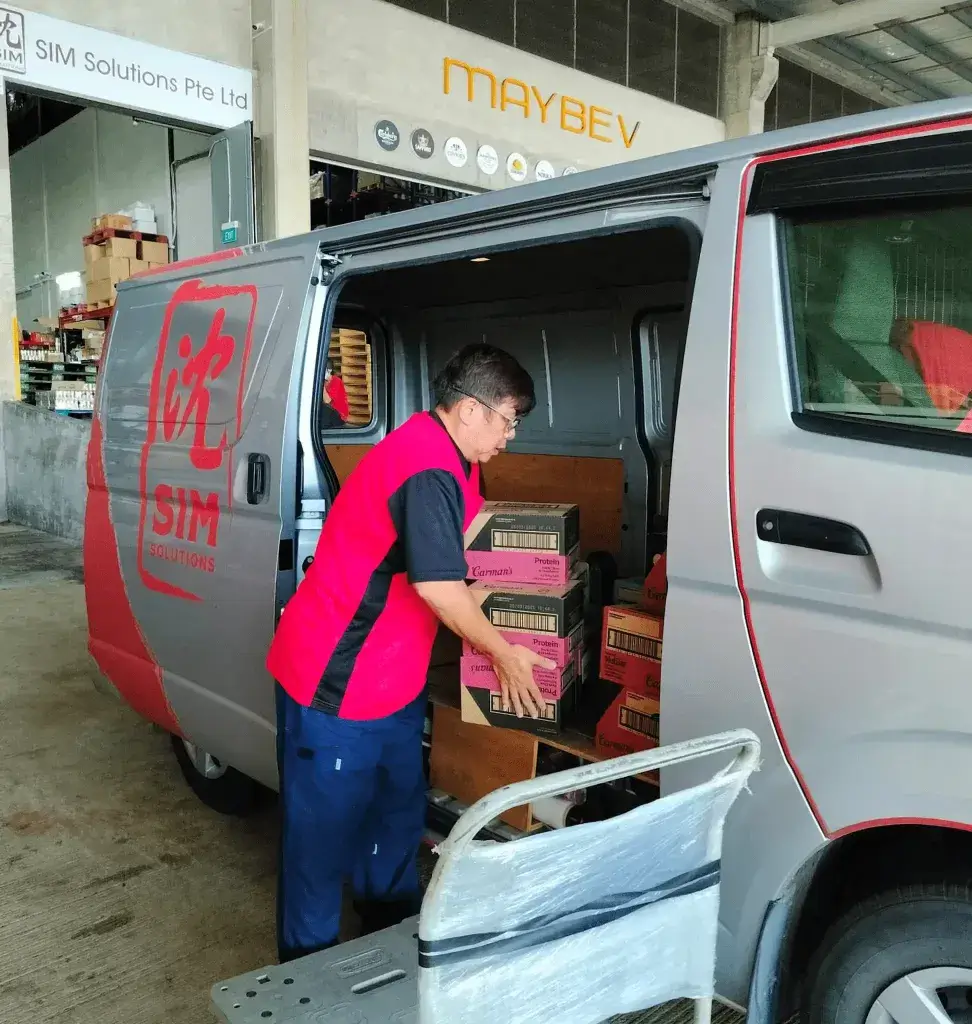
Sim Solutions supports businesses across Singapore with local fulfilment and logistics services designed to simplify complex supply chain operations. Our team works closely with you to understand your operational structure, growth plans, and distribution requirements.
Our services include:
- Warehouse operations
- Last mile fulfilment across Singapore
- Local logistics support
To learn more about how we can support your logistics operations, contact our team by phone or through our online contact form to speak with a logistics specialist.
Final Thoughts on Supply Chain Outsourcing
As businesses grow, supply chains naturally become more complex.
Supply chain outsourcing can help manage that complexity by bringing expertise, scalability, and operational support. However, weighing both the benefits and potential trade-offs is essential before making the decision.
With the right logistics partner, outsourcing can strengthen the systems that keep your business running smoothly.